Climate change is no longer merely an environmental concern; it is a systemic challenge shaping every aspect of human and planetary well-being. Rising temperatures, erratic rainfall, ecosystem collapse, and intensifying disasters reverberate across health, livelihoods, food and water security, migration, and social equity. Equally, the everyday choices societies make—in food systems, energy policies, urban design, and consumption—loop back to define our climate trajectory.
At this critical juncture, the Earth Care Awards provide a timely platform to recognise innovations, amplify voices, and explore integrated solutions. This panel aims to move beyond treating climate as a “silo issue” and instead acknowledge it as a multi-dimensional societal challenge—one that demands convergence across governance, policy, community action, and innovation.
Reimagining climate action through community wisdom, science and innovation
Across Rajasthan and India’s arid and semi-arid regions, communities have lived with water scarcity, extreme heat and uncertain rainfall for generations. Over time, they have developed ingenious ways to conserve water, restore degraded land, protect biodiversity and sustain rural livelihoods. Today, as climate change intensifies these challenges, this traditional wisdom offers valuable lessons for building a more resilient future.
From johads, tankas and baoris that capture and conserve water to orans and gauchars that protect community forests and grazing lands, these time-tested practices demonstrate the power of local knowledge and collective action. Yet, their long-term sustainability depends not just on restoring traditional structures, but also on reviving the community institutions, shared responsibilities and cultural values that have sustained them.
The opportunity today lies in bringing this wisdom together with modern science, technology and innovative financing. By combining traditional practices with climate data, groundwater mapping, resilient agricultural methods and sustainable livelihood models, communities can develop solutions that are locally rooted, economically viable and scalable.
Traditional Wisdom, New Solutions: Communities Leading Climate Action
Key discussion points
Climate and health/nutrition
Heat stress, new disease burdens, vector-borne illnesses.
Threats to food diversity and nutrition security.
Opportunities in climate-smart agriculture, resilient local food systems, and shifts toward sustainable diets.
Climate and livelihoods/economy
Vulnerability of frontline workers in agriculture, fisheries, and informal sectors.
Circular economy, green jobs, and re-skilling as pathways for resilient livelihoods.
Cross-cutting discussion
Systems-thinking for climate action: moving beyond silos.
Policy integration: how can health, food, energy, and urban policies embed climate resilience.
Climate and biodiversity/ecosystems
Loss of biodiversity and eco-services as amplifiers of climate risks.
Nature-based solutions for adaptation and mitigation.
Climate and migration/urbanization
Internal displacement and climate-induced migration as social and political challenges.
Designing climate-resilient cities: infrastructure, waste, energy, and green mobility.
Climate and gender/social equity
Disproportionate impacts on women, youth, and marginalized communities.
The central role of inclusive, community-led solutions in adaptation and resilience.
Tradition Meets Innovation:
Integrating indigenous knowledge with science, technology and climate data
Restoring Nature, Reviving Communities:
Revitalising traditional water systems, community forests and grazing lands through collective stewardship.
Water Security for the Future:
Strengthening water conservation while ensuring sustainable use of groundwater and drinking water sources.
Climate-Resilient Livelihoods:
Enabling farmers, pastoralists and rural communities to build sustainable incomes through resilient practices, markets and access to finance.
Community Leadership and Inclusion:
Empowering panchayats, Gram Sabhas, women’s collectives and local institutions to lead climate action.
Partnerships for Impact at Scale:
Exploring how government programmes, CSR initiatives, industry, research and climate finance can support and scale successful community-led solutions.
Agenda
10.45 hrs – 11.00 hrs
Welcome Address
Rupa Dawane, Head – Water, Environment and Sanitation, JSW Foundation
11.00 hrs – 11.30 hrs
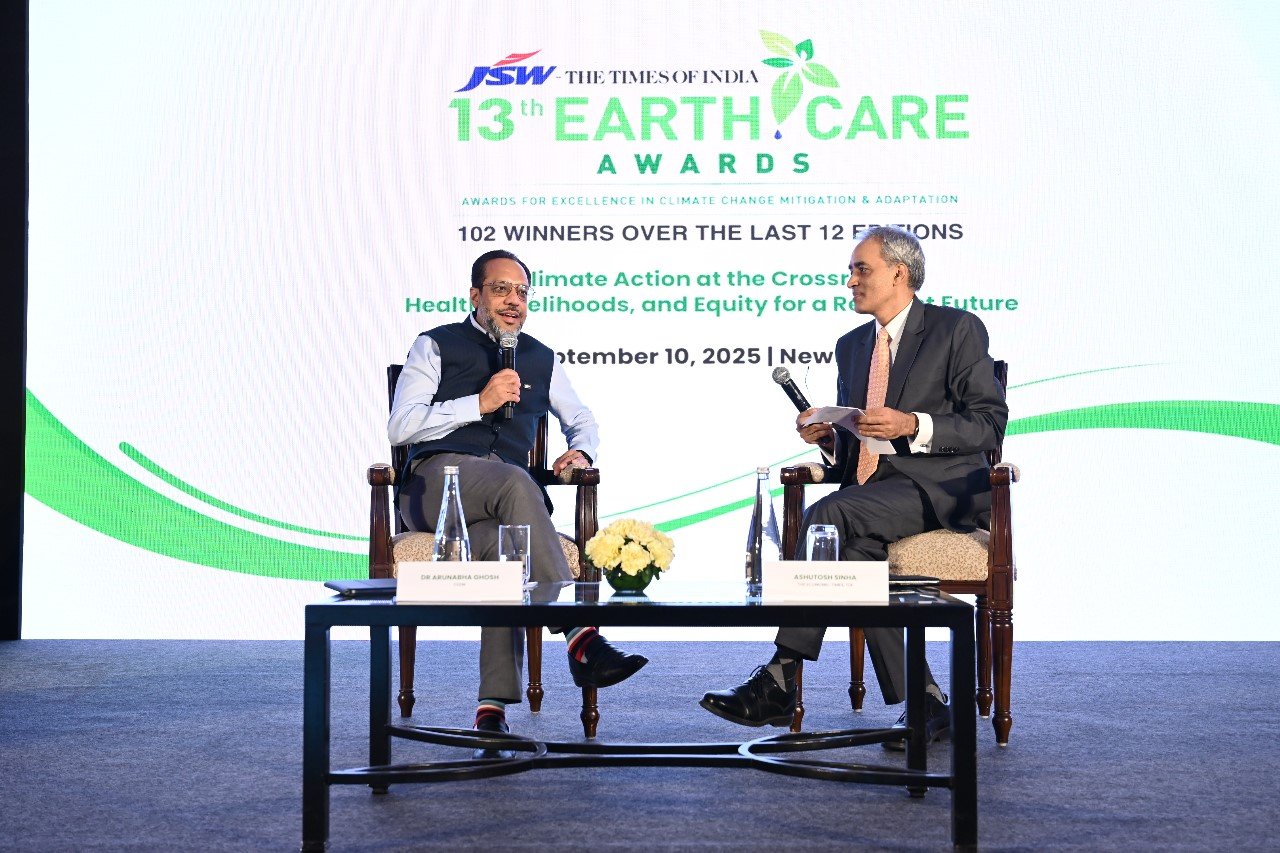
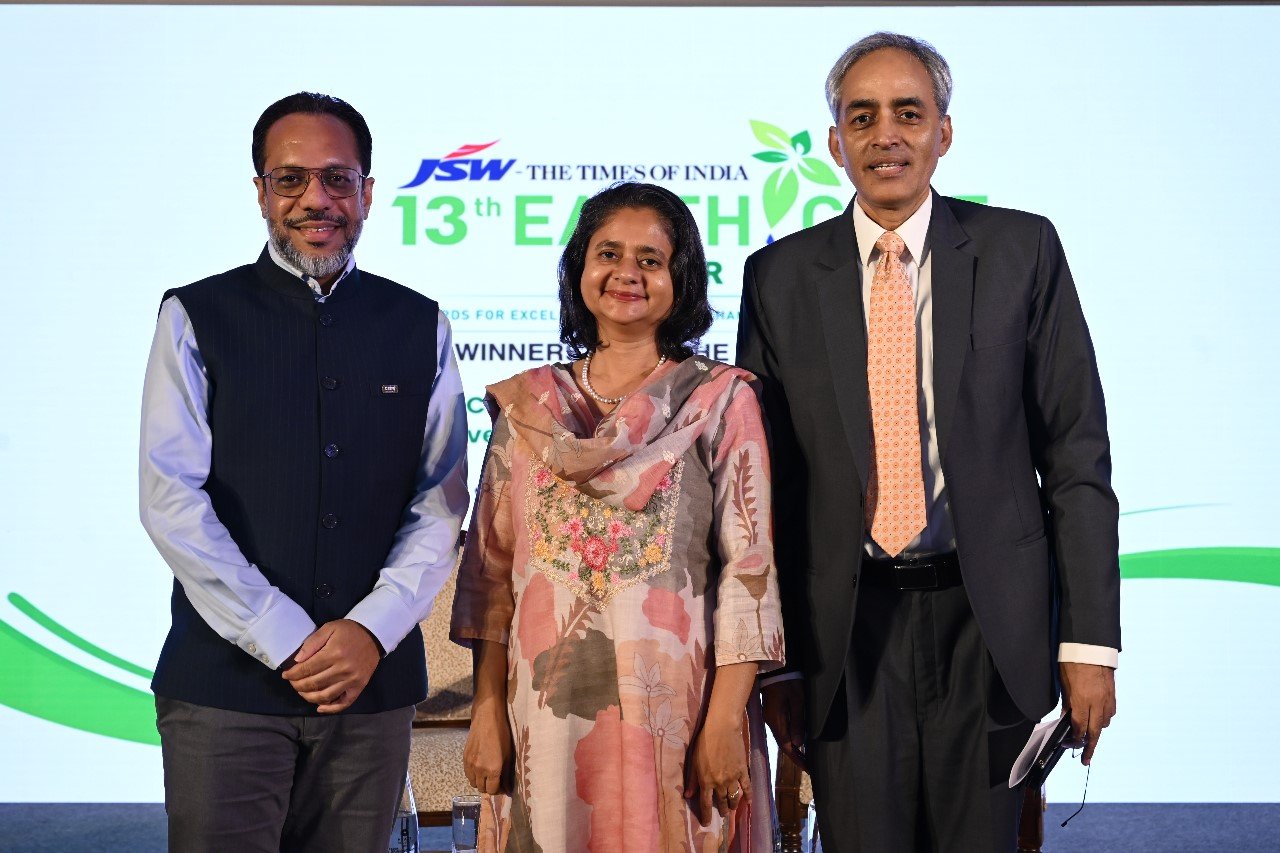
Dr. Arunabha Ghosh, CEO, Council on Energy, Environment and Water (CEEW)
In conversation with
Ashutosh Sinha, Senior Editor, The Economic Times, TOI
11.30 hrs – 12.40 hrs
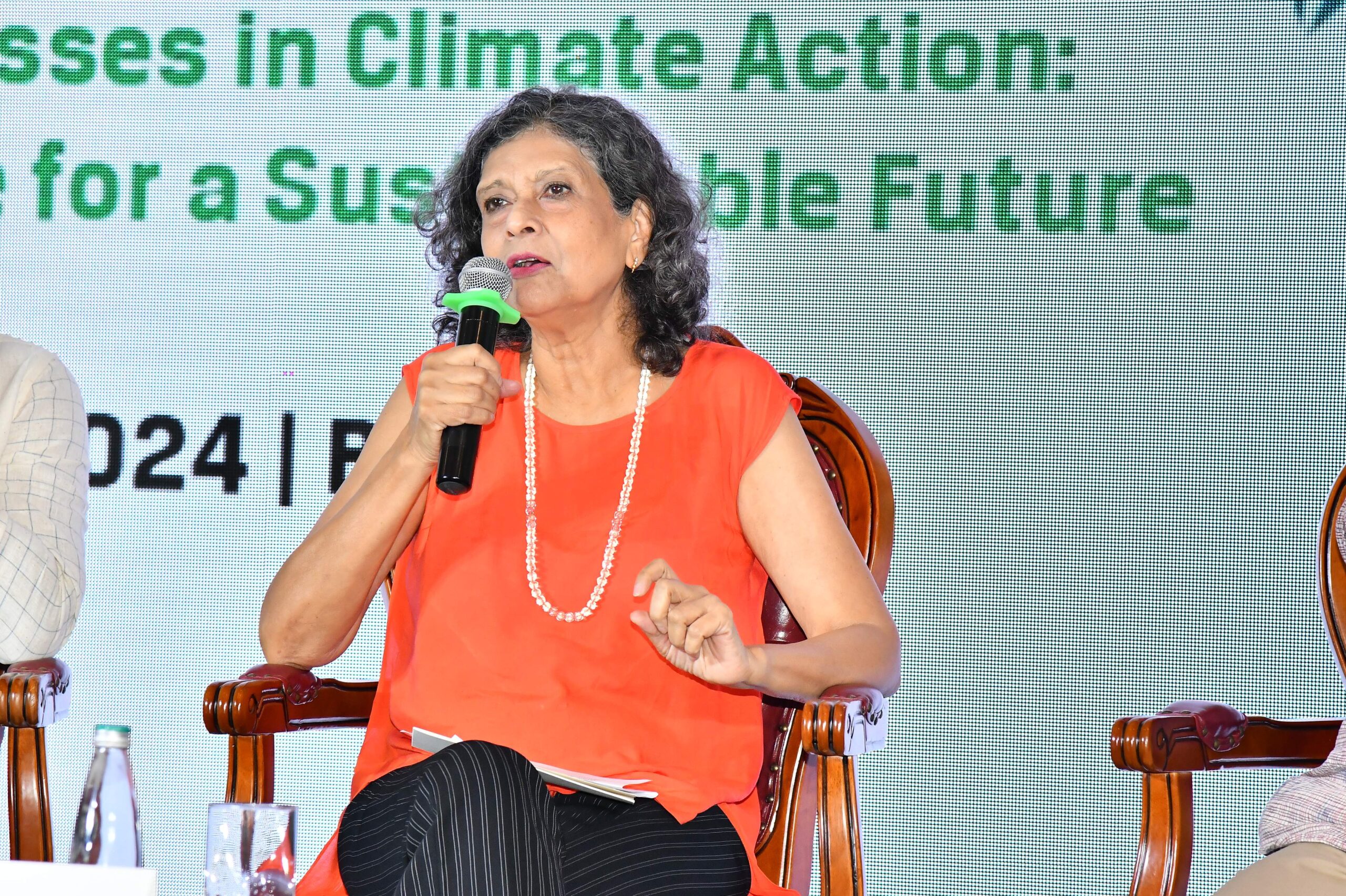
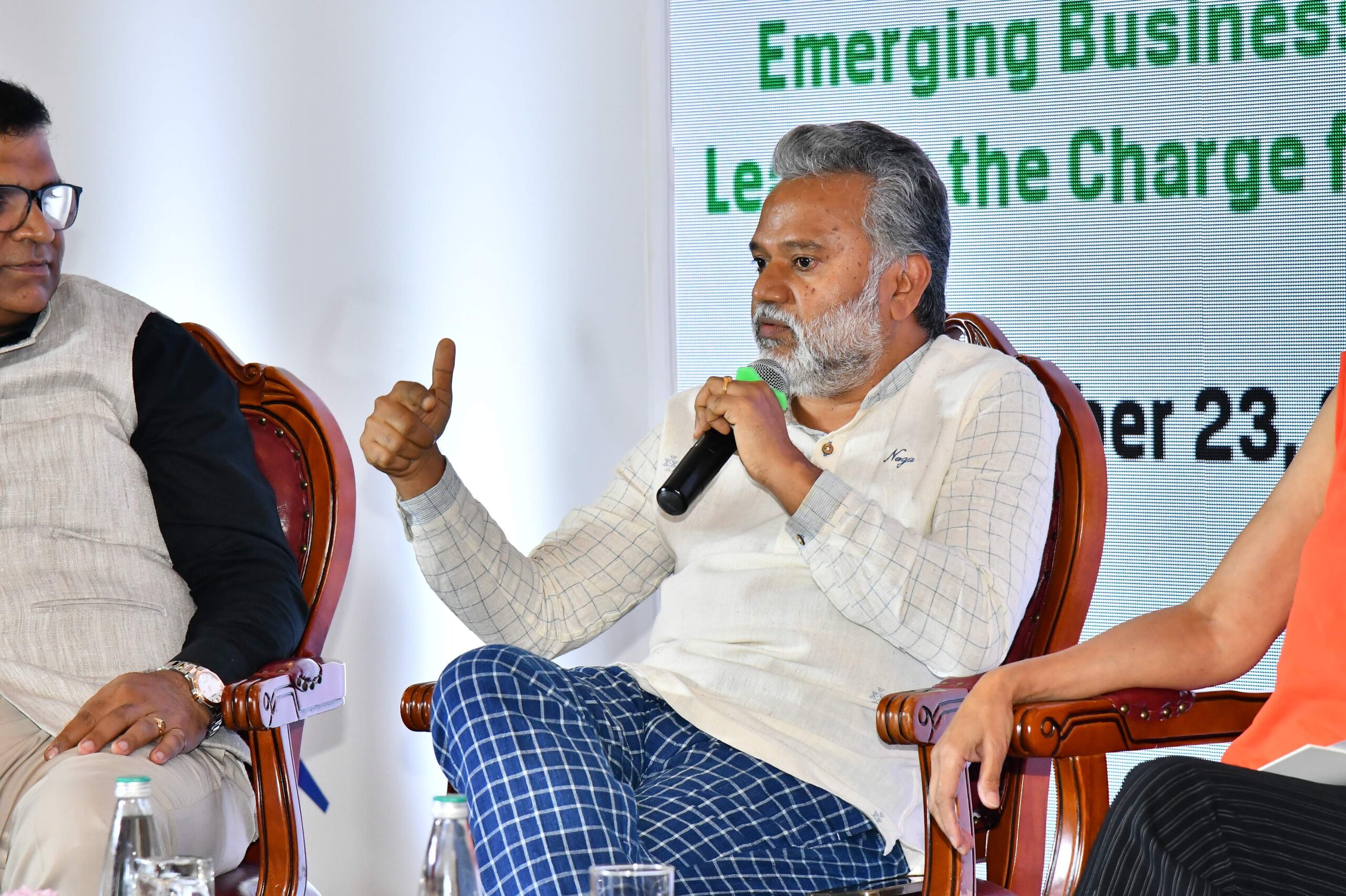
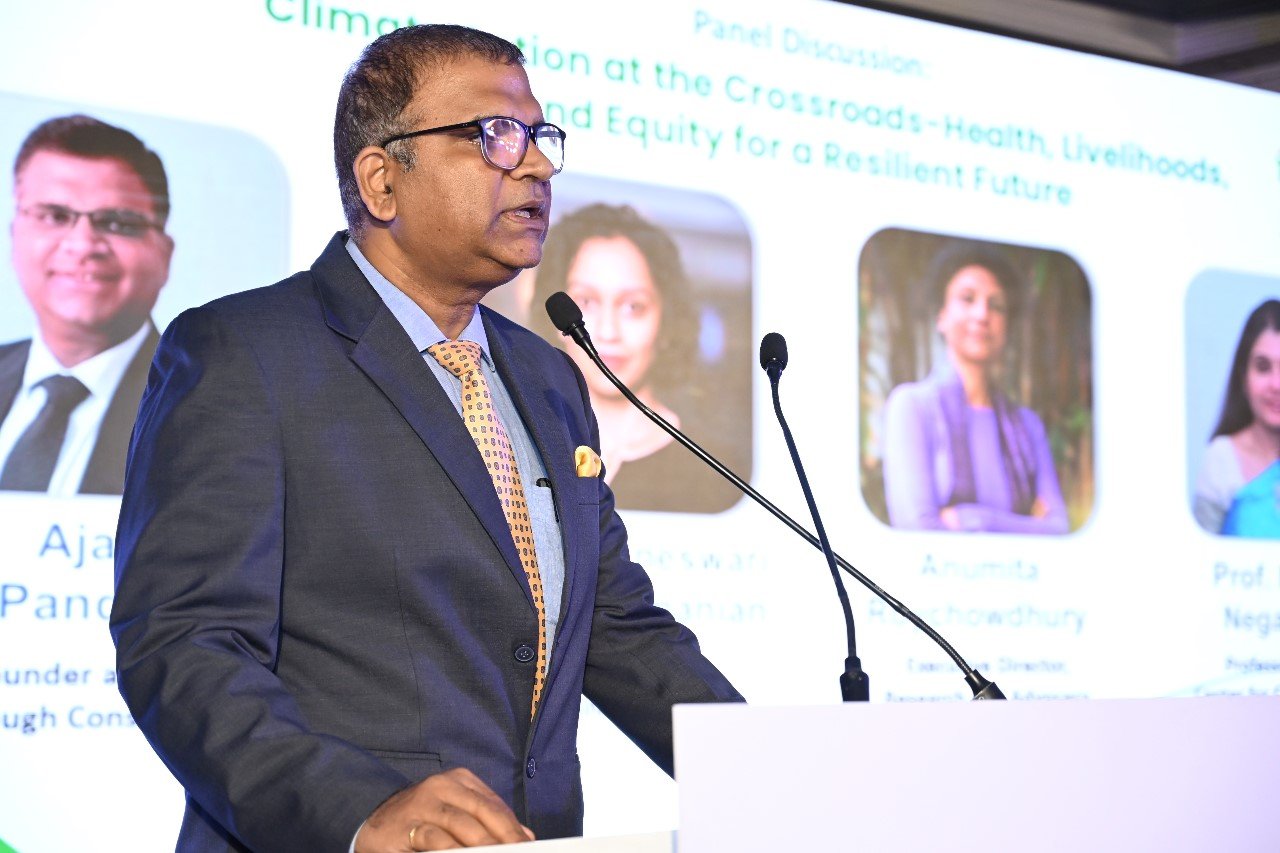
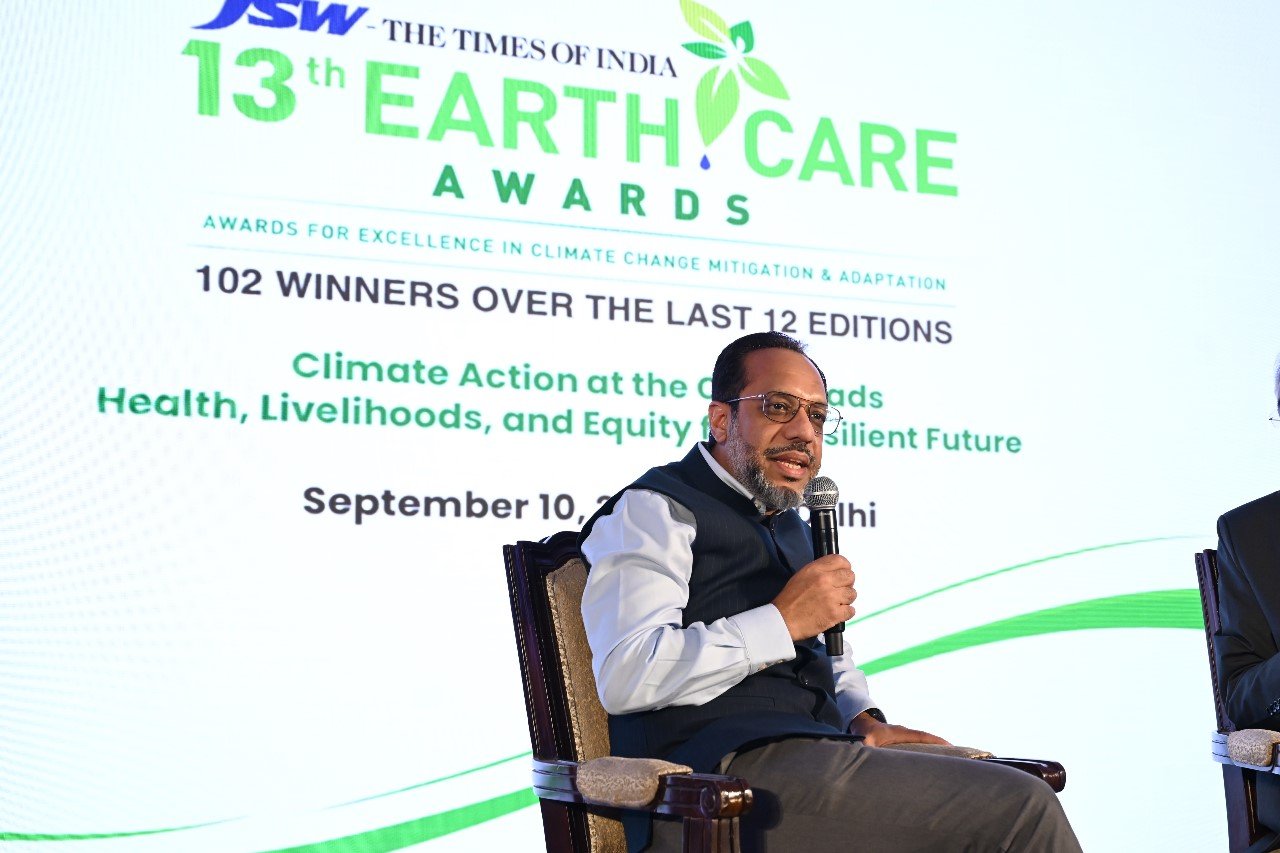
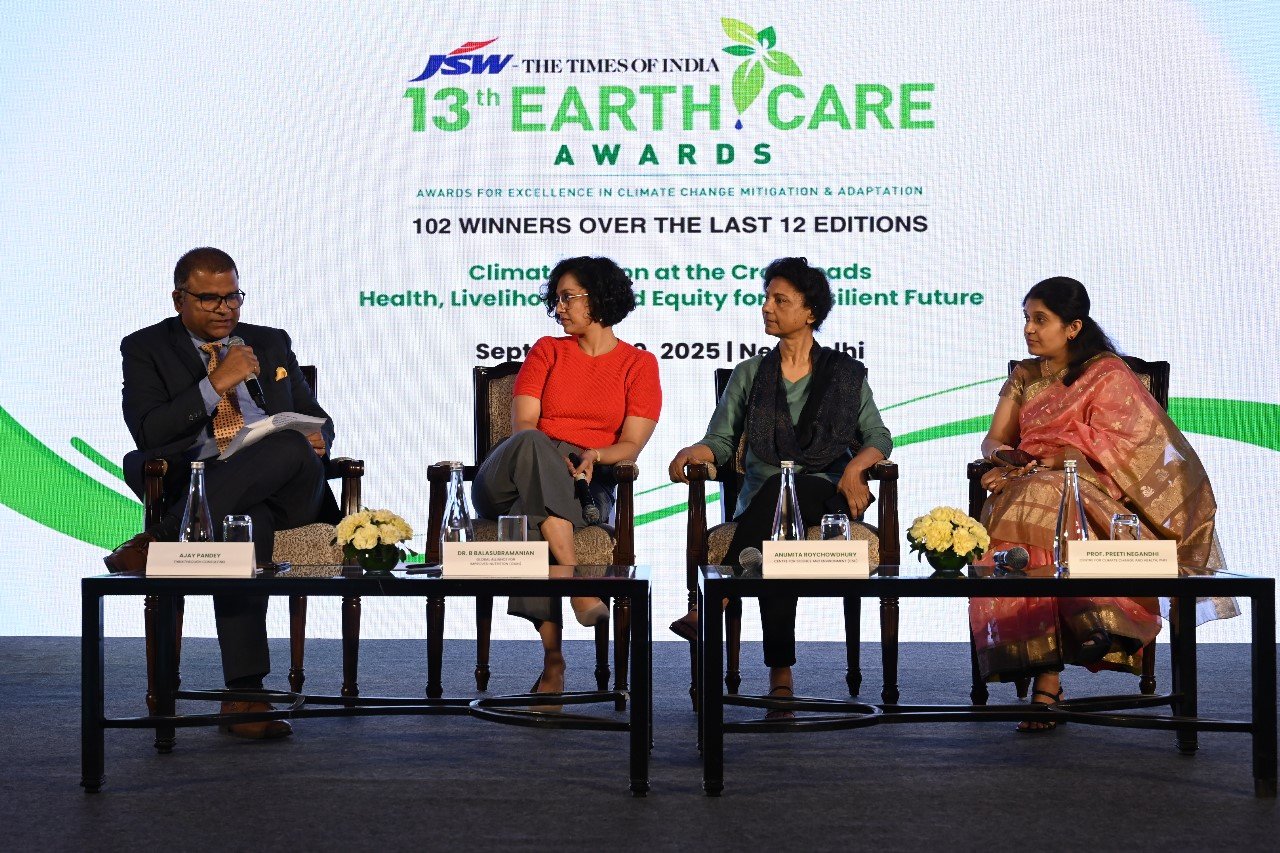
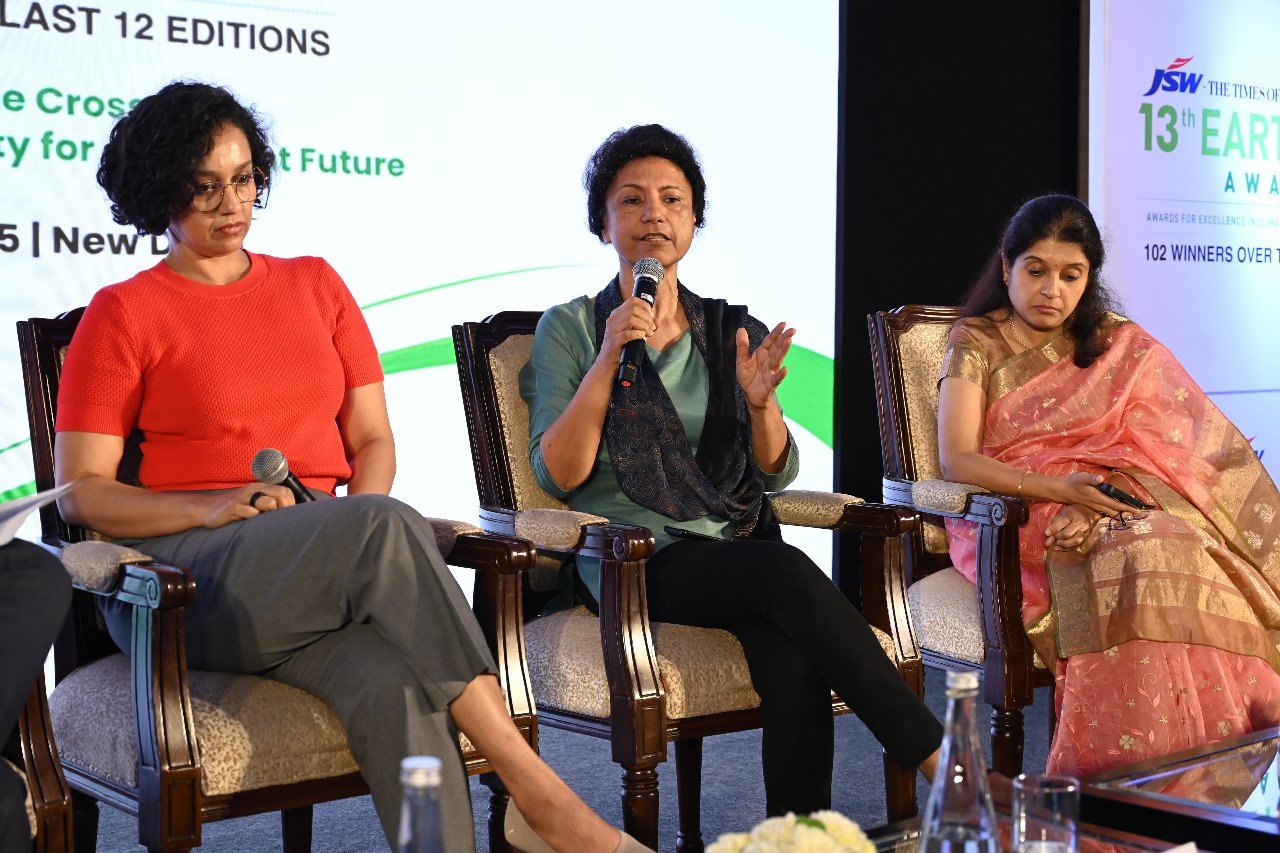
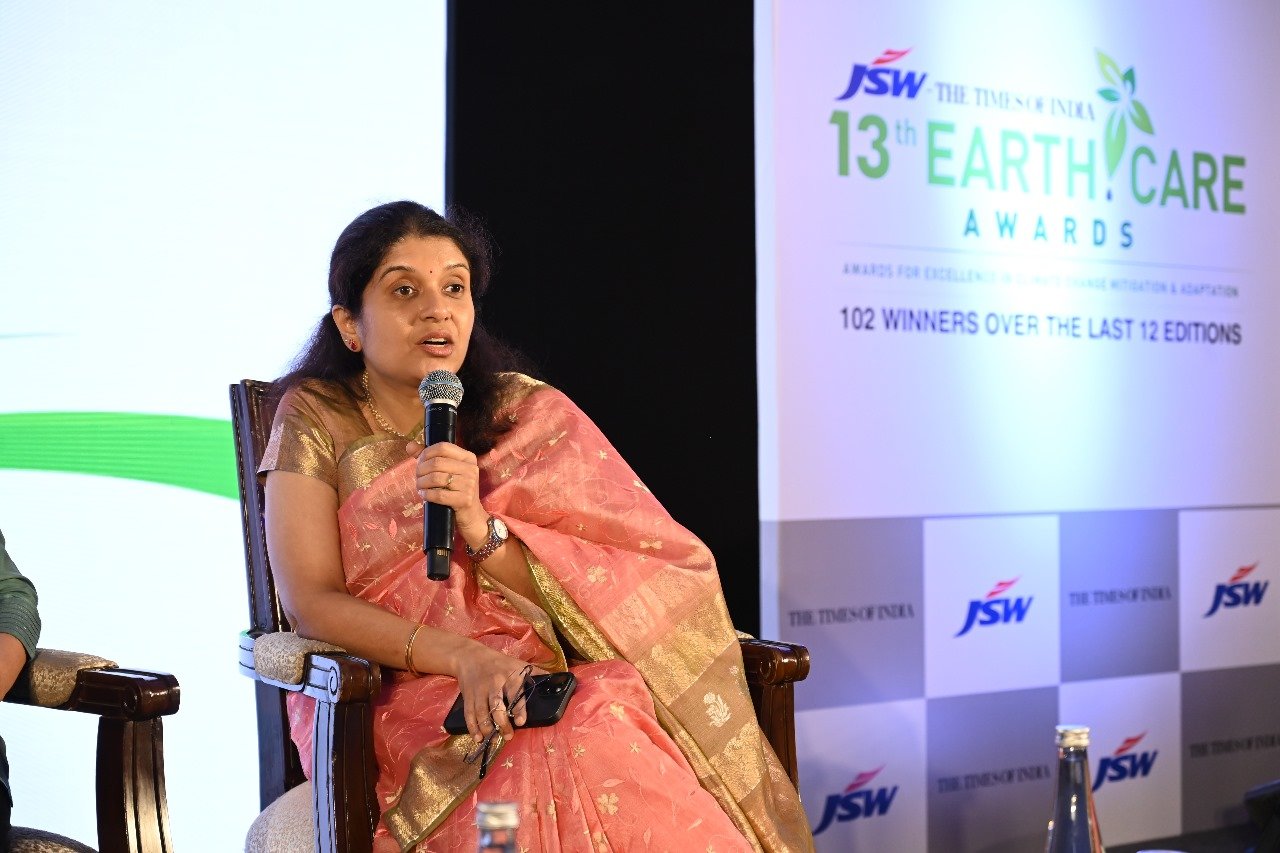
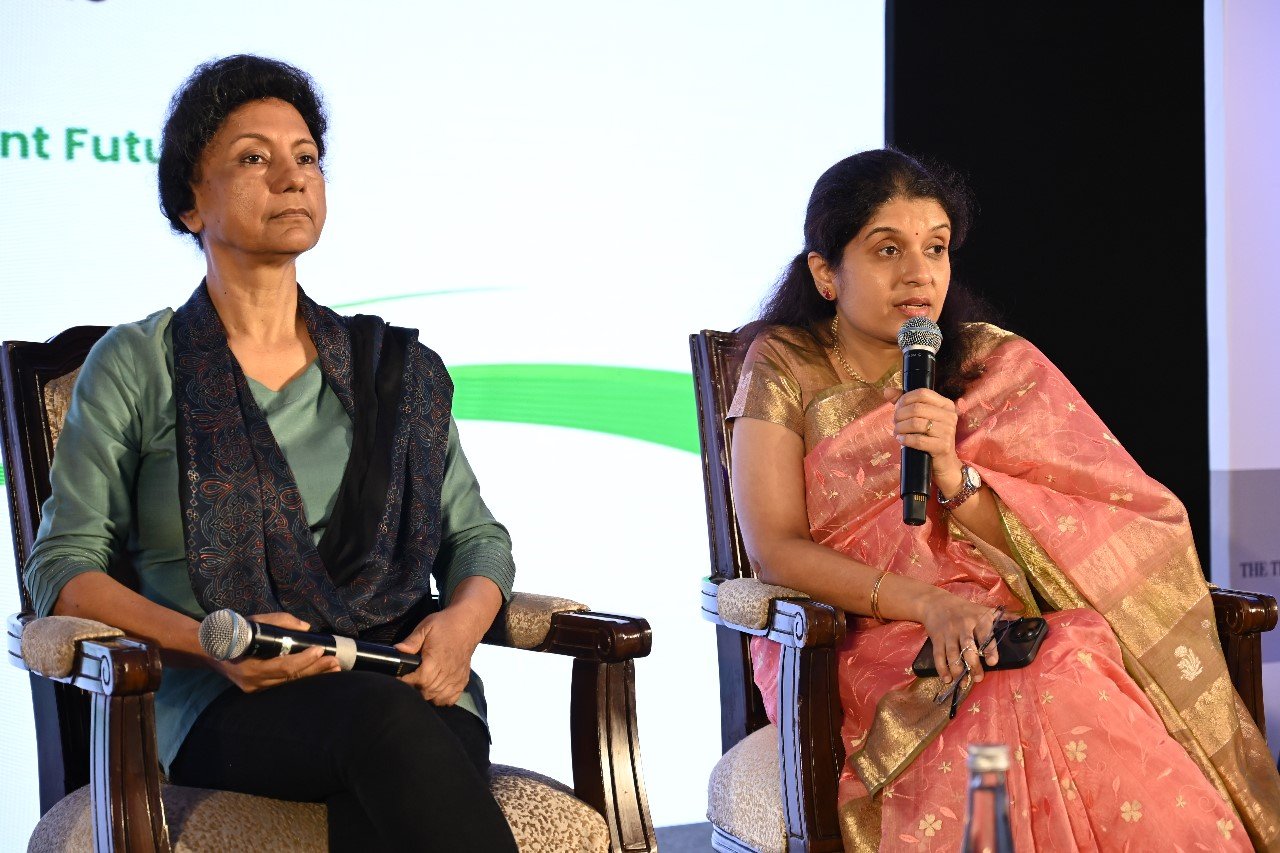
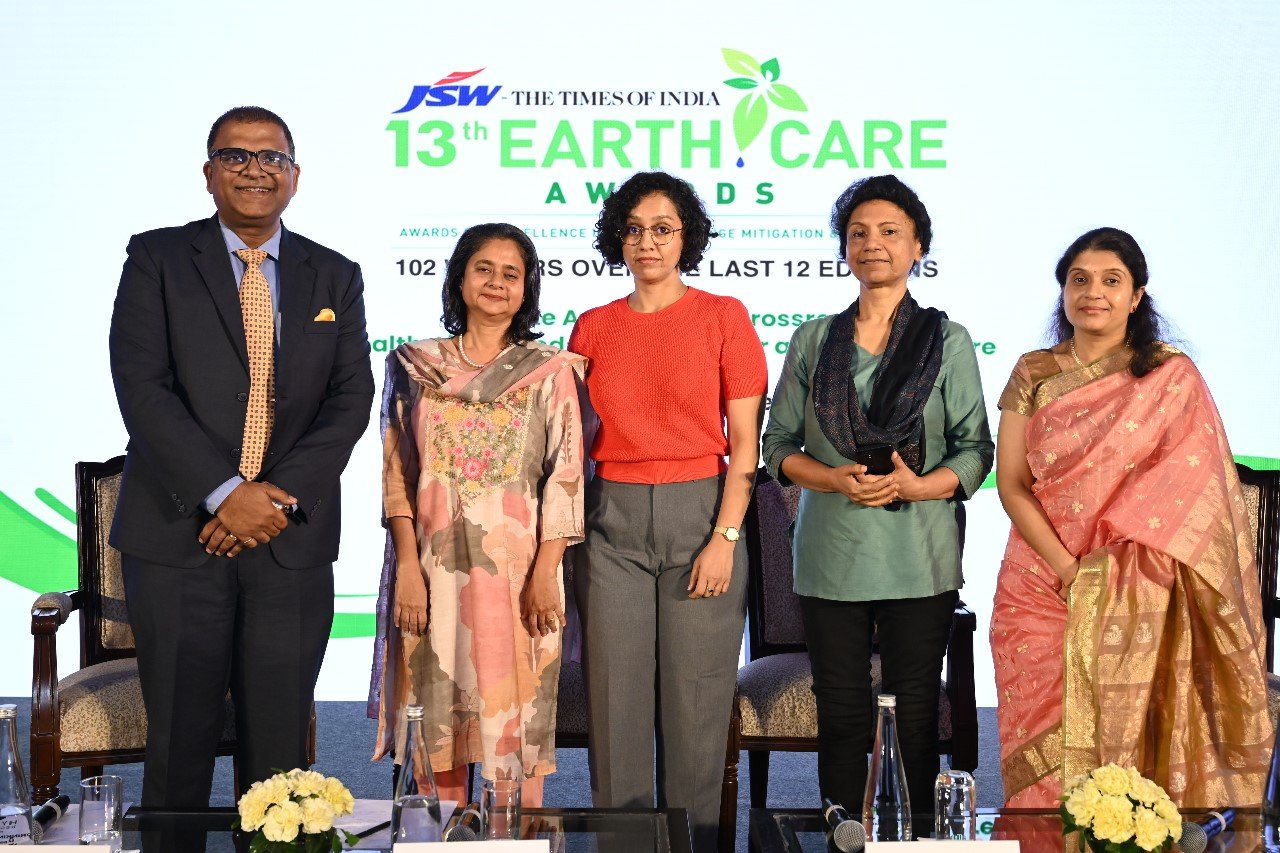
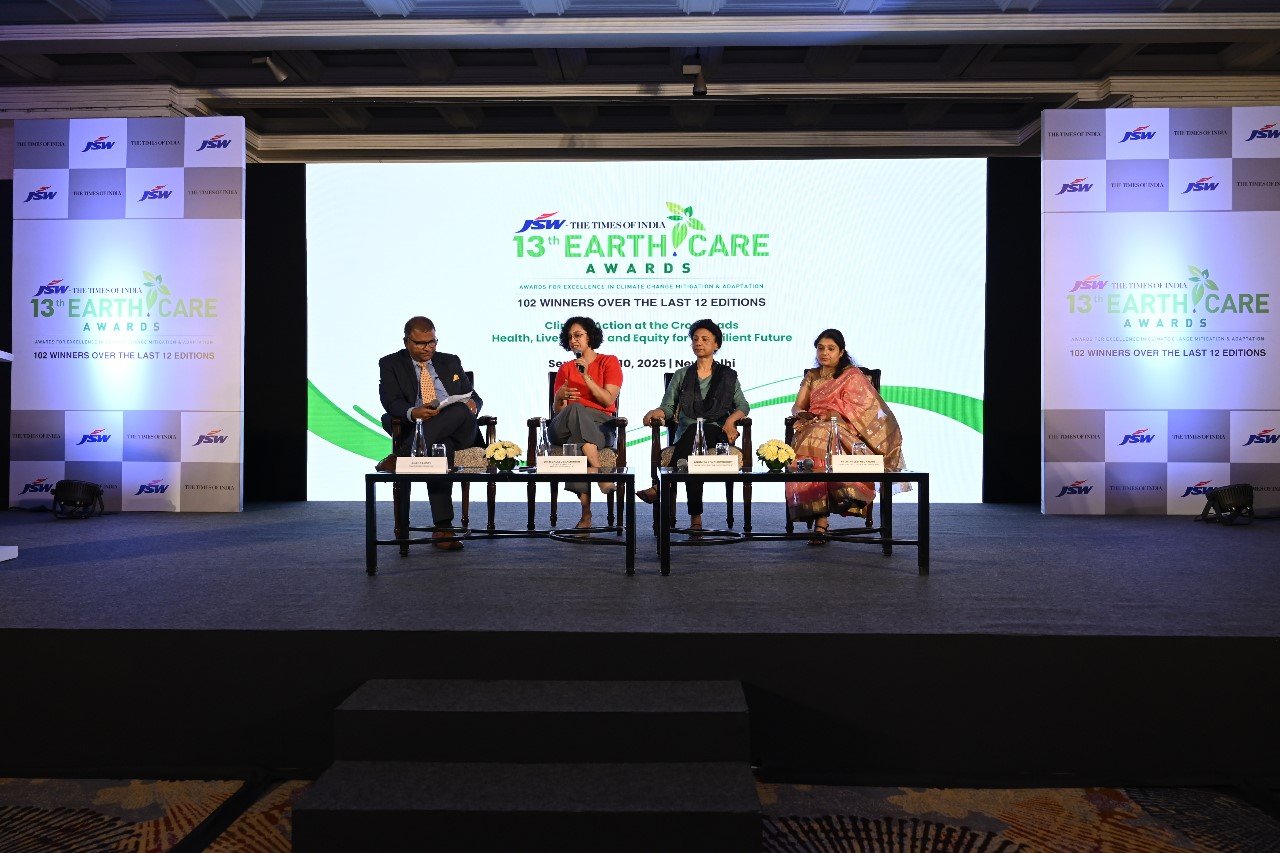
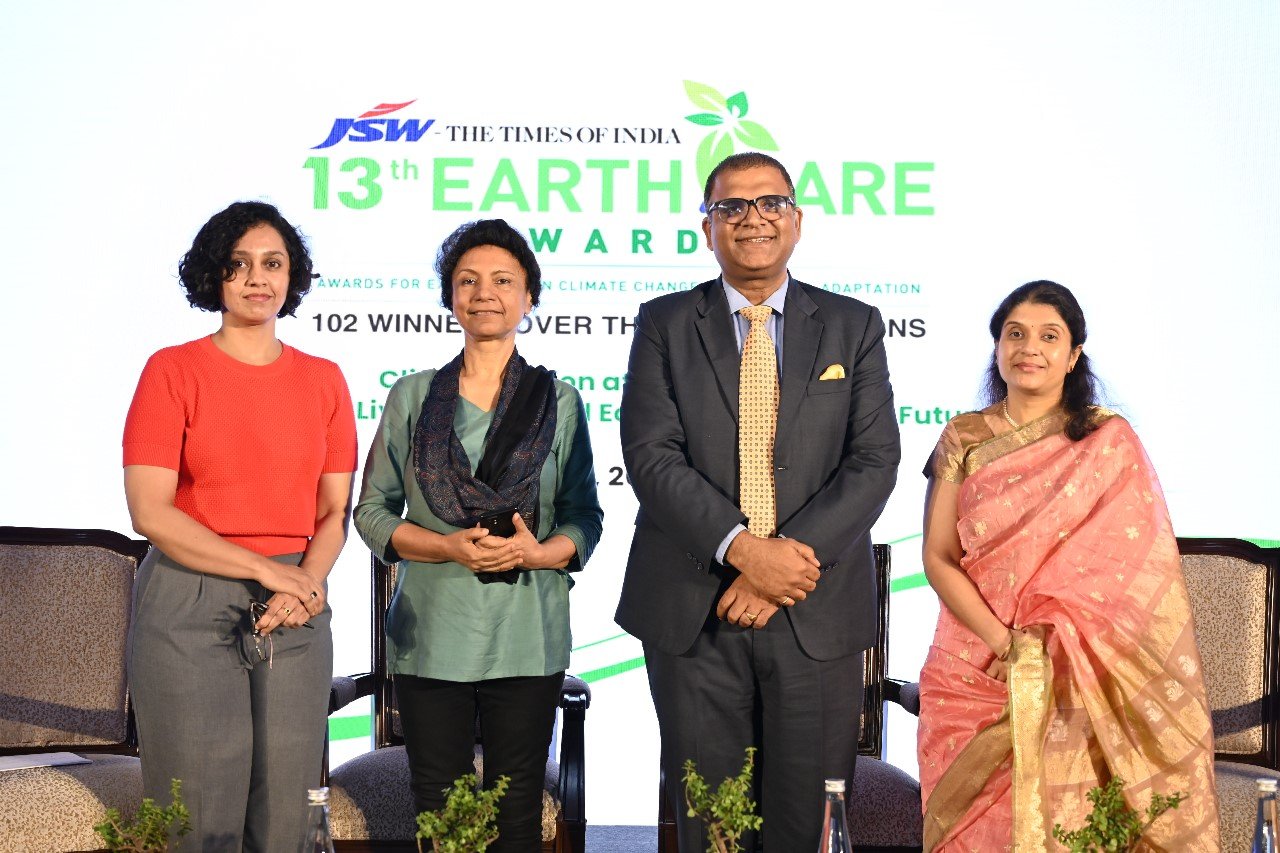
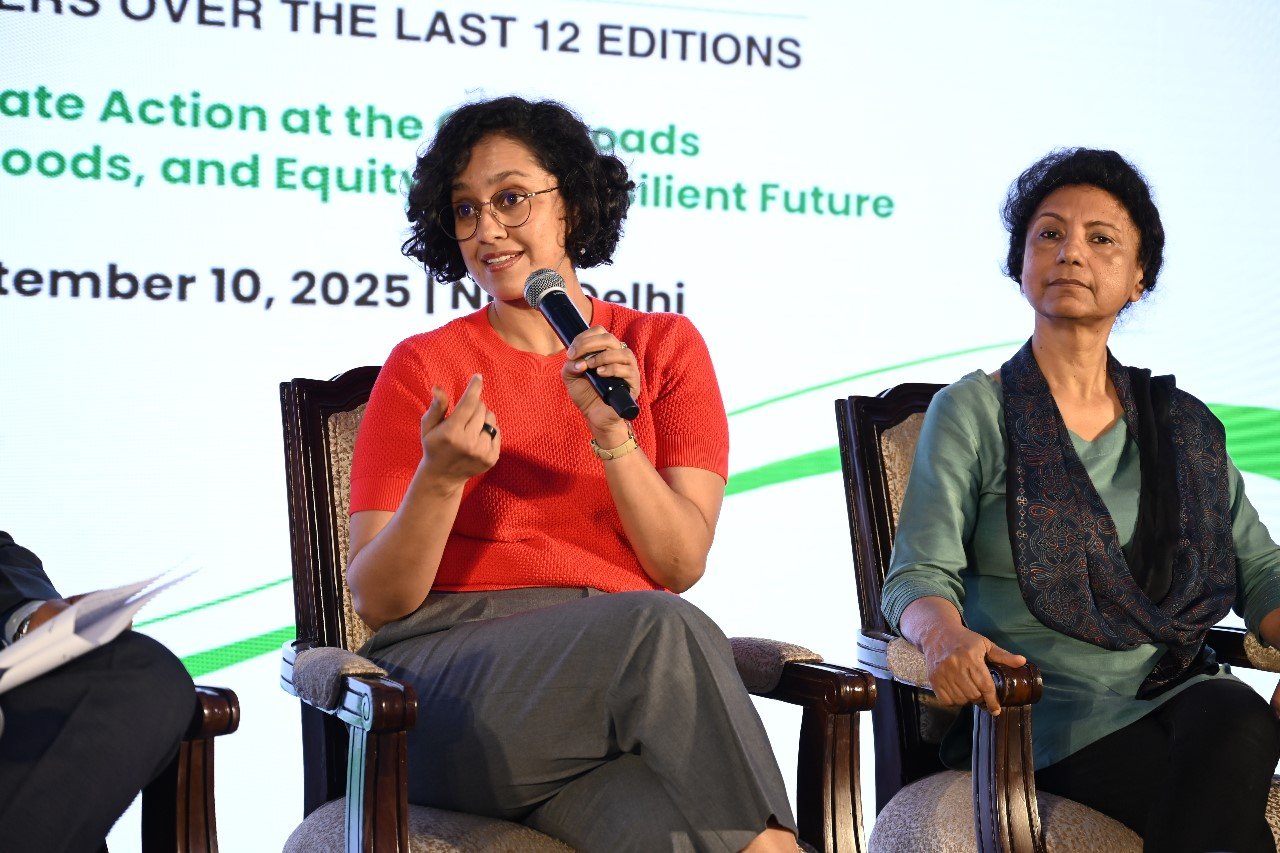
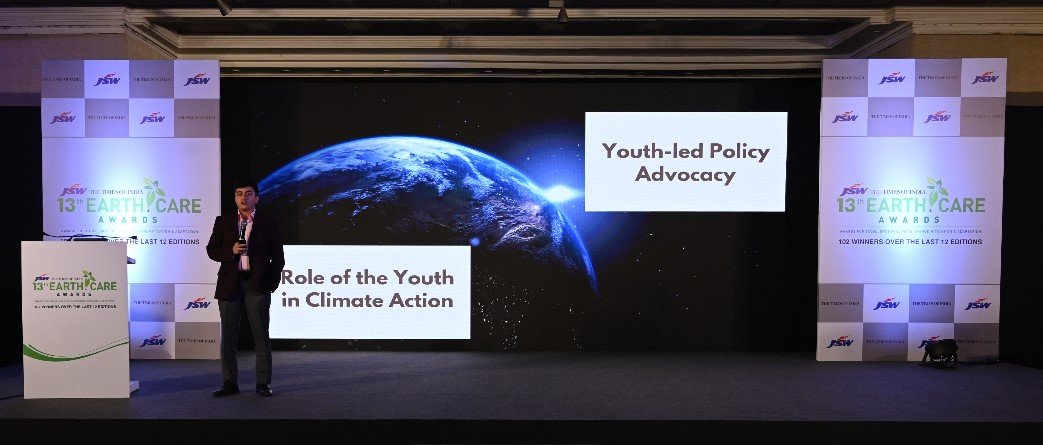
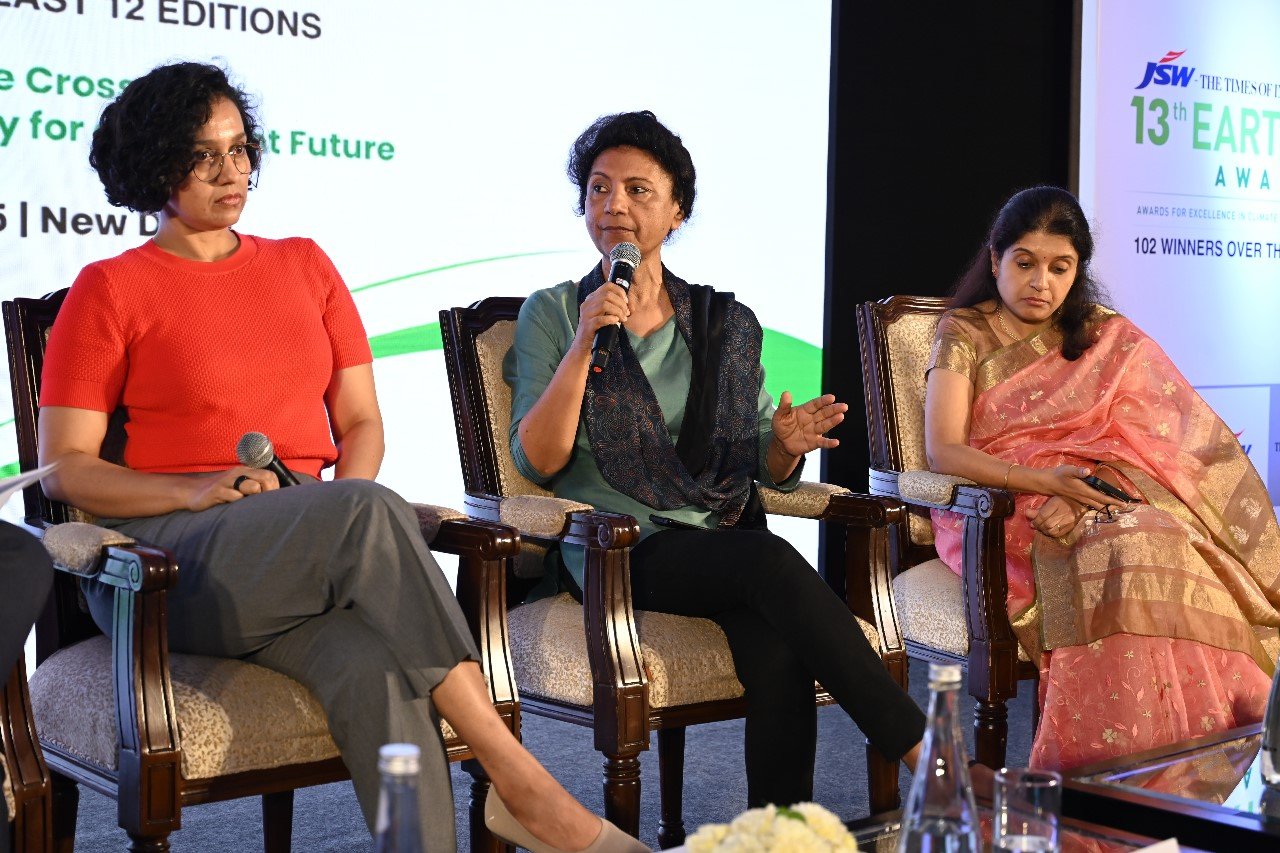
Panel Discussion: Climate Action at the Crossroads – Health, Livelihoods, and Equity for a Resilient Future
Bhuvaneswari Balasubramanian Country Director, Global Alliance for Improved Nutrition (GAIN)- India
Debolina Kundu Director, National Institute of Urban Affairs (NIUA)
Anumita Roychowdhury Executive Director- Research and Advocacy, Centre for Science and Environment (CSE)
Preeti Negandhi Professor & Chair, Center for Climate Change and Health, (PHFI)