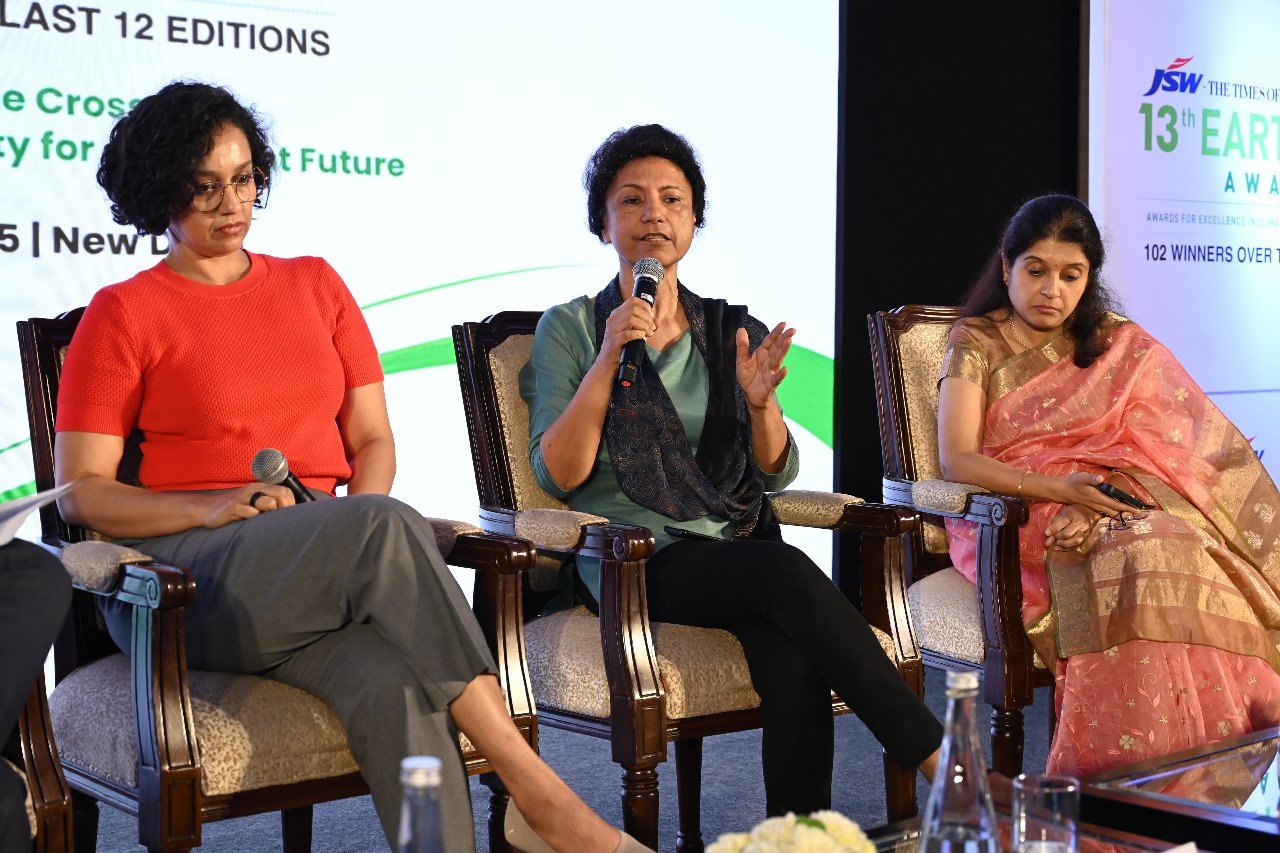
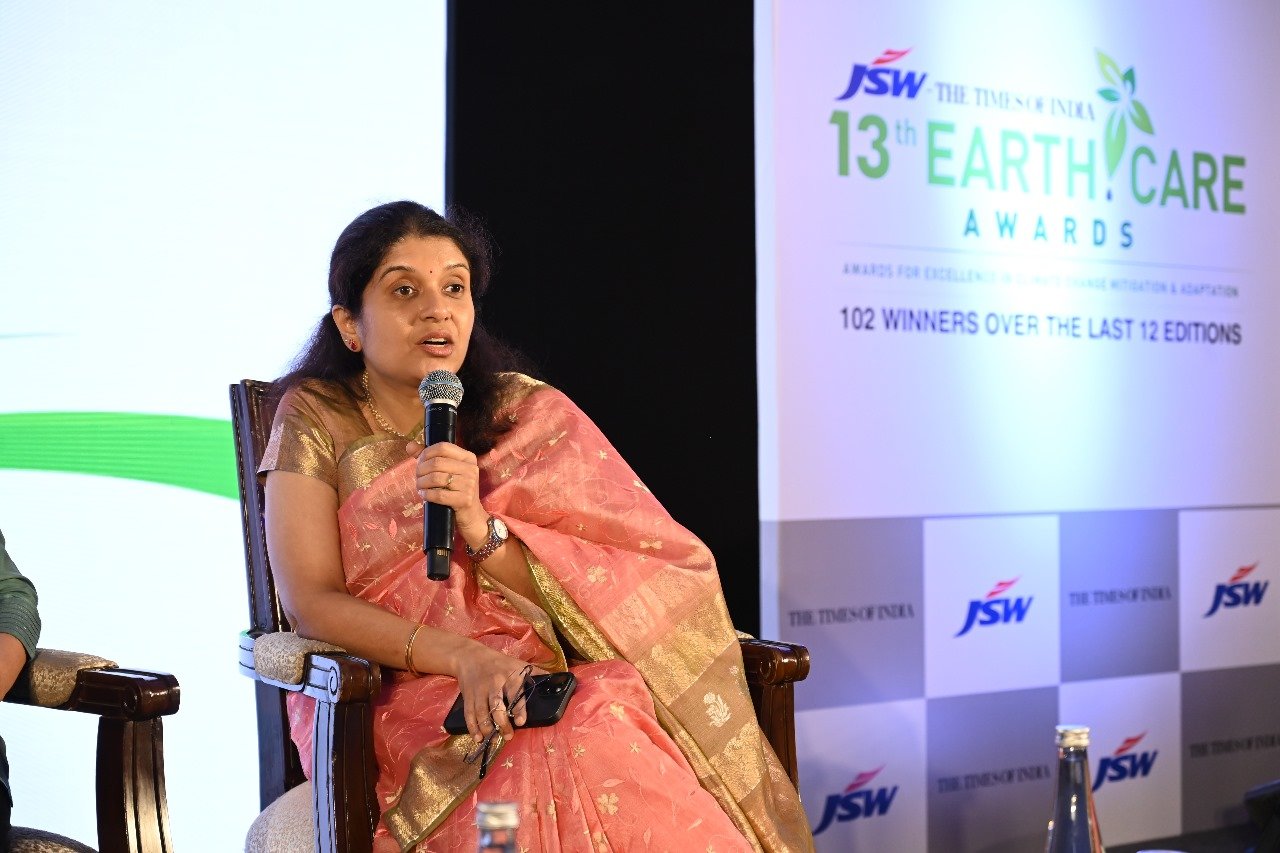
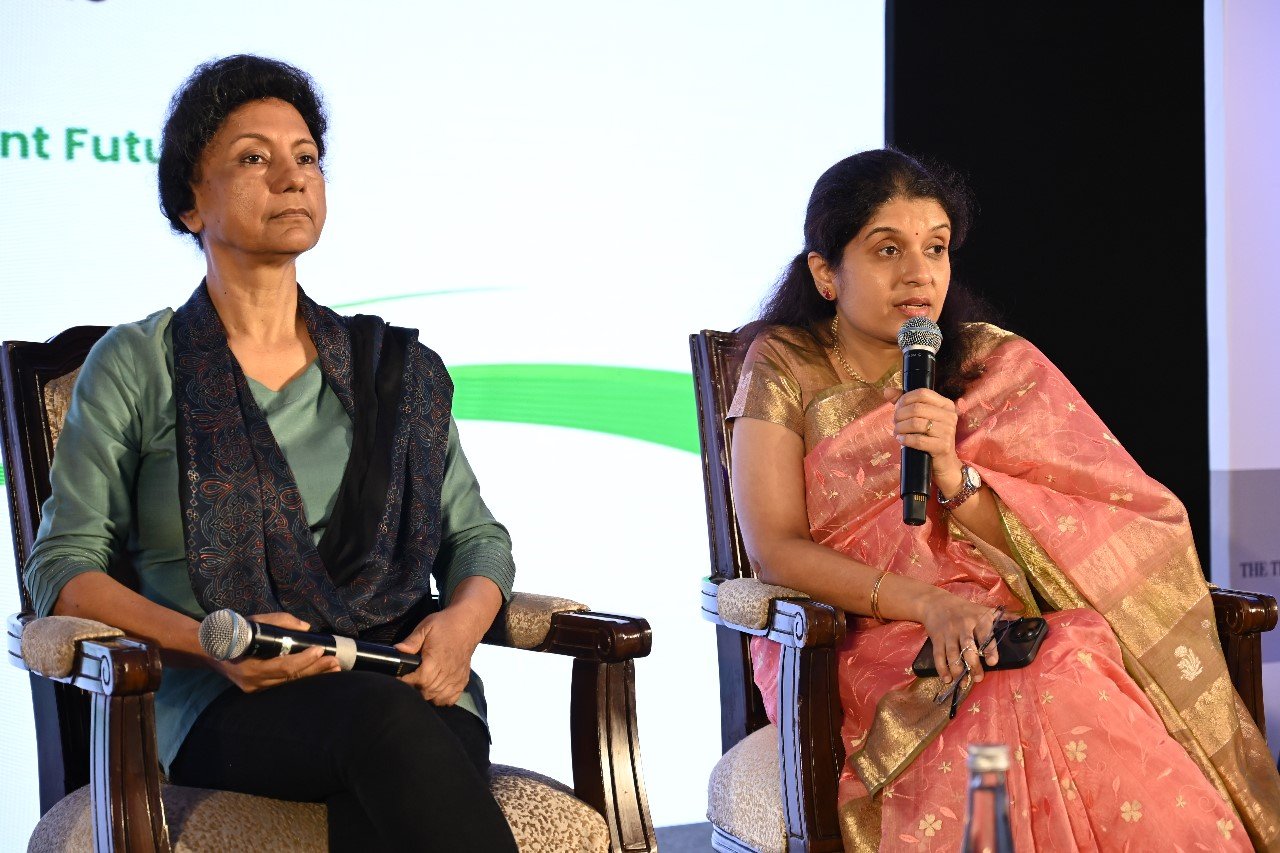
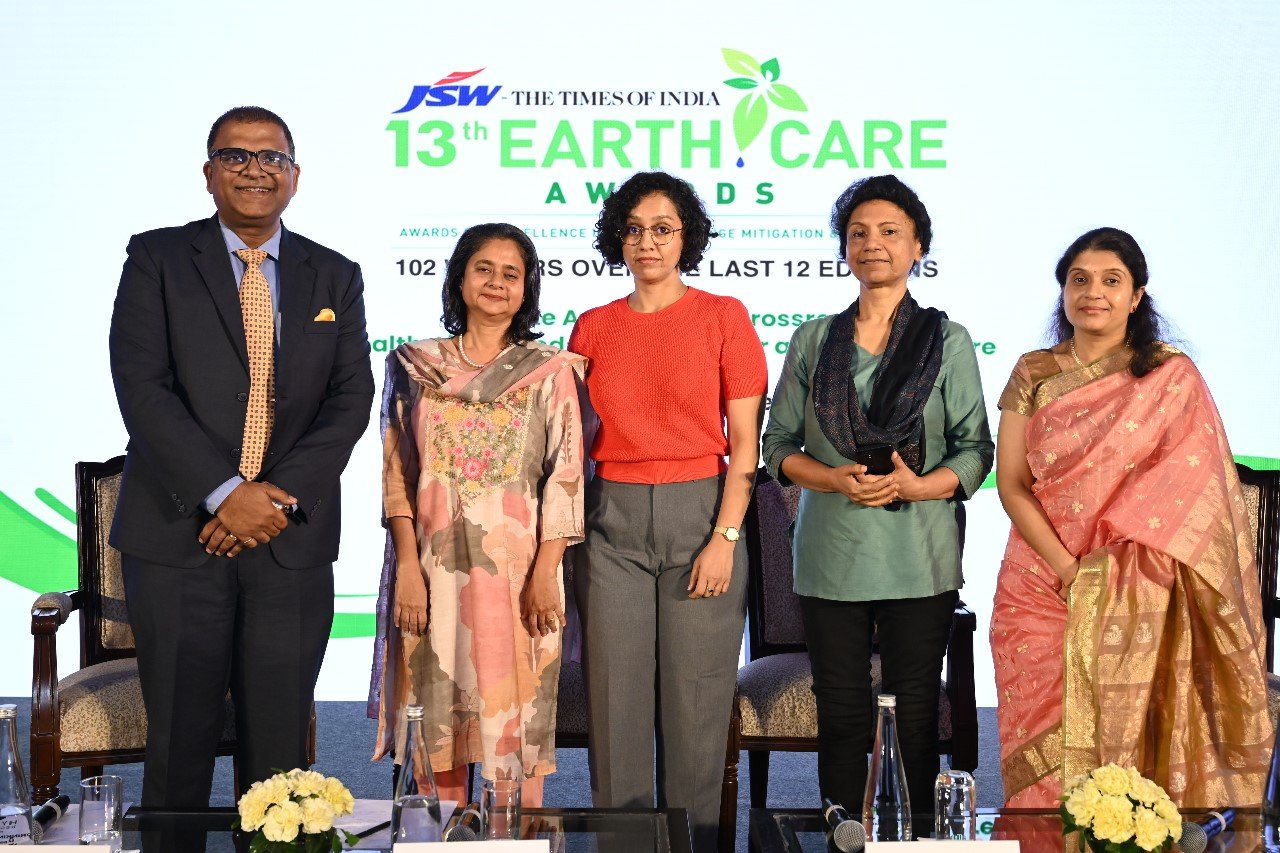
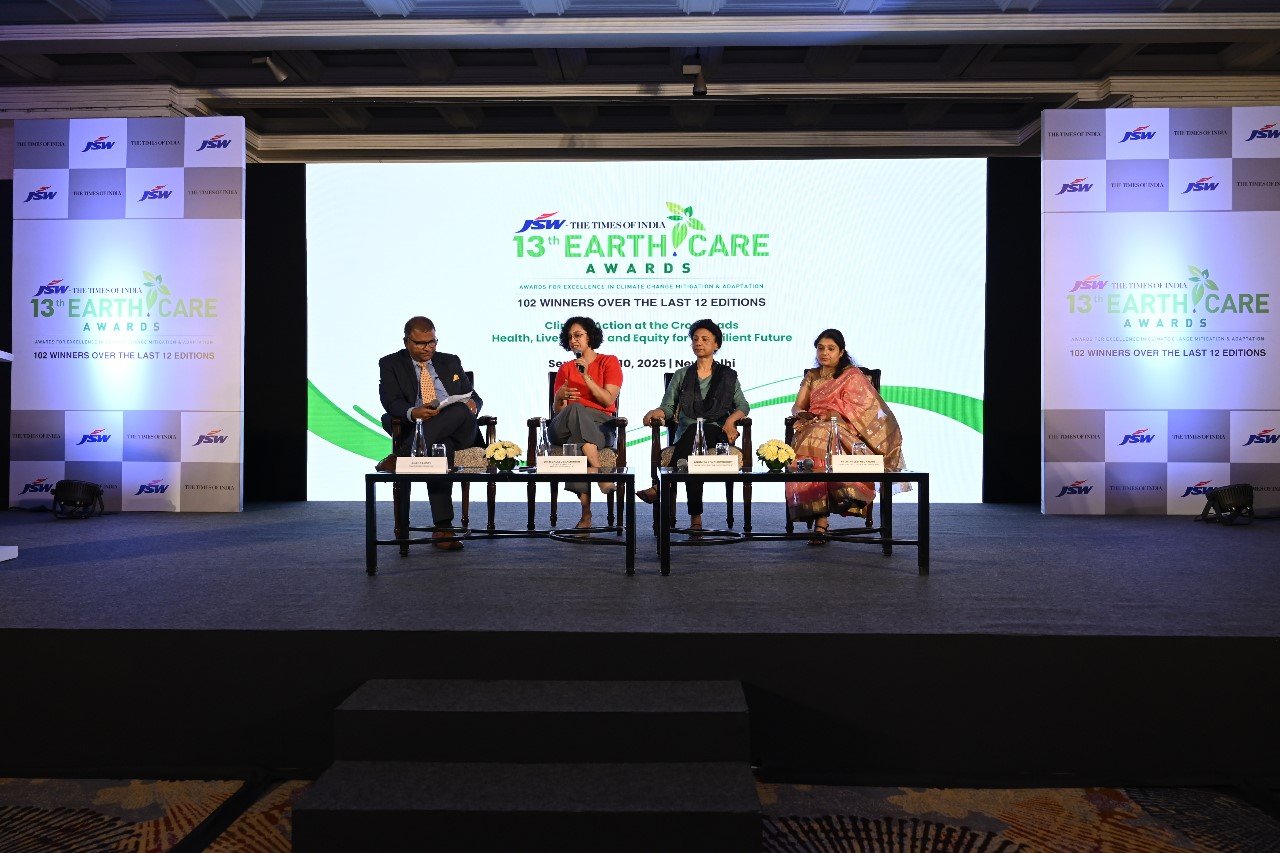
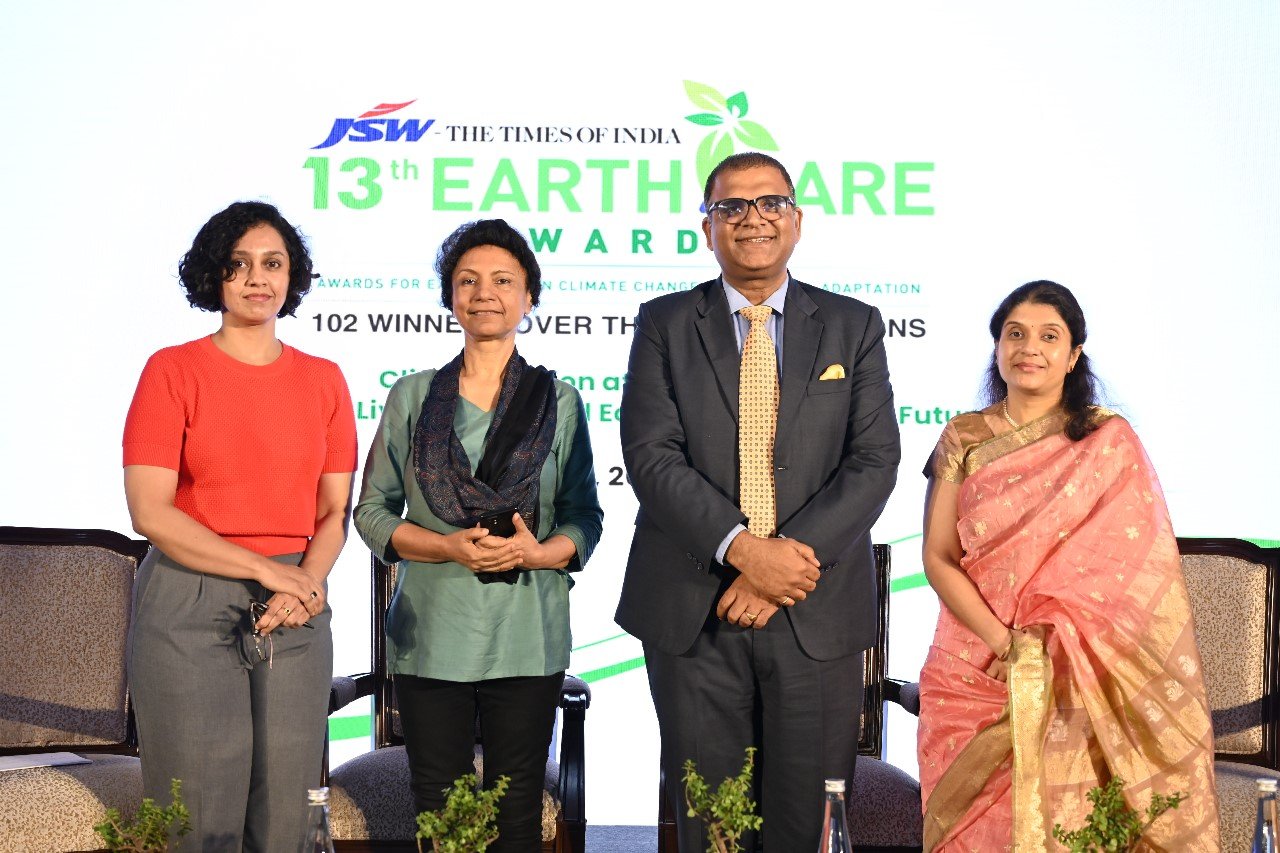
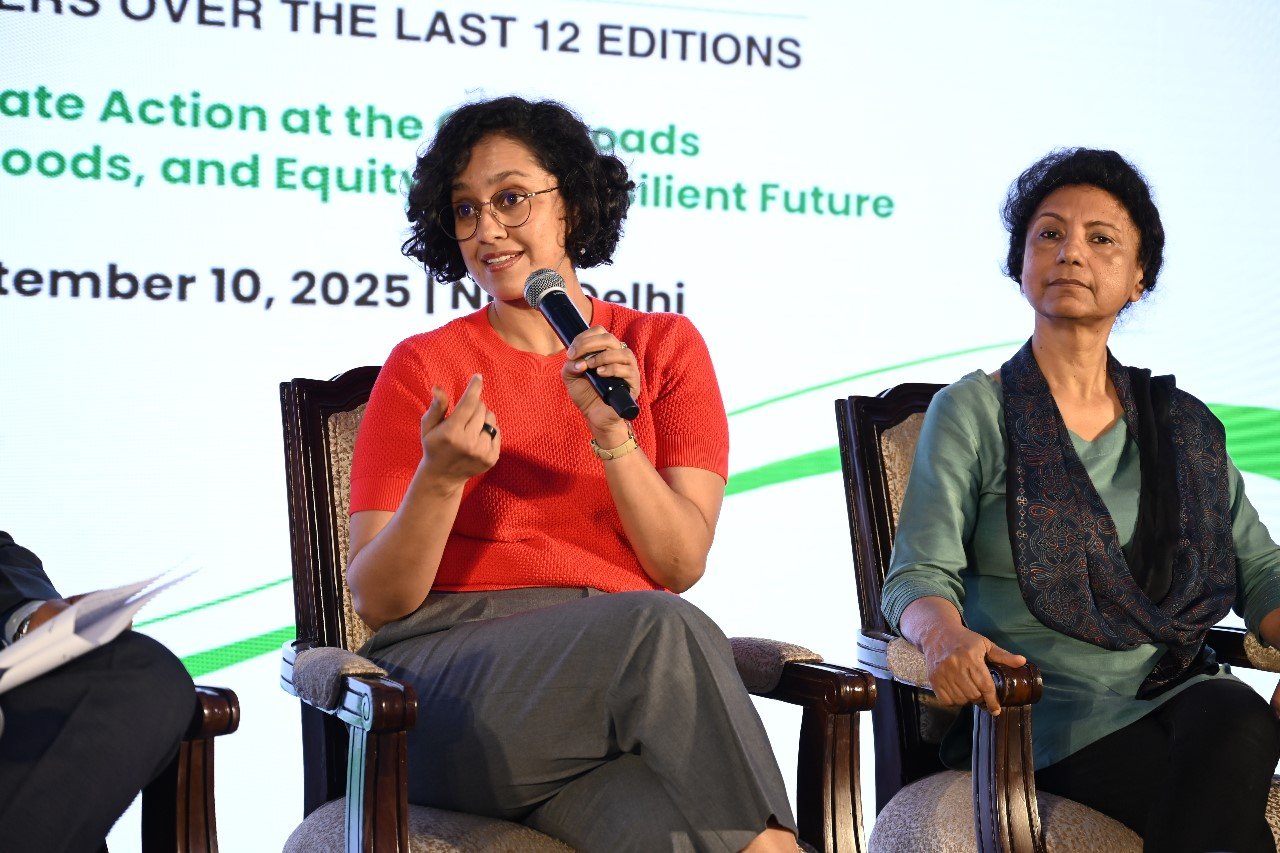
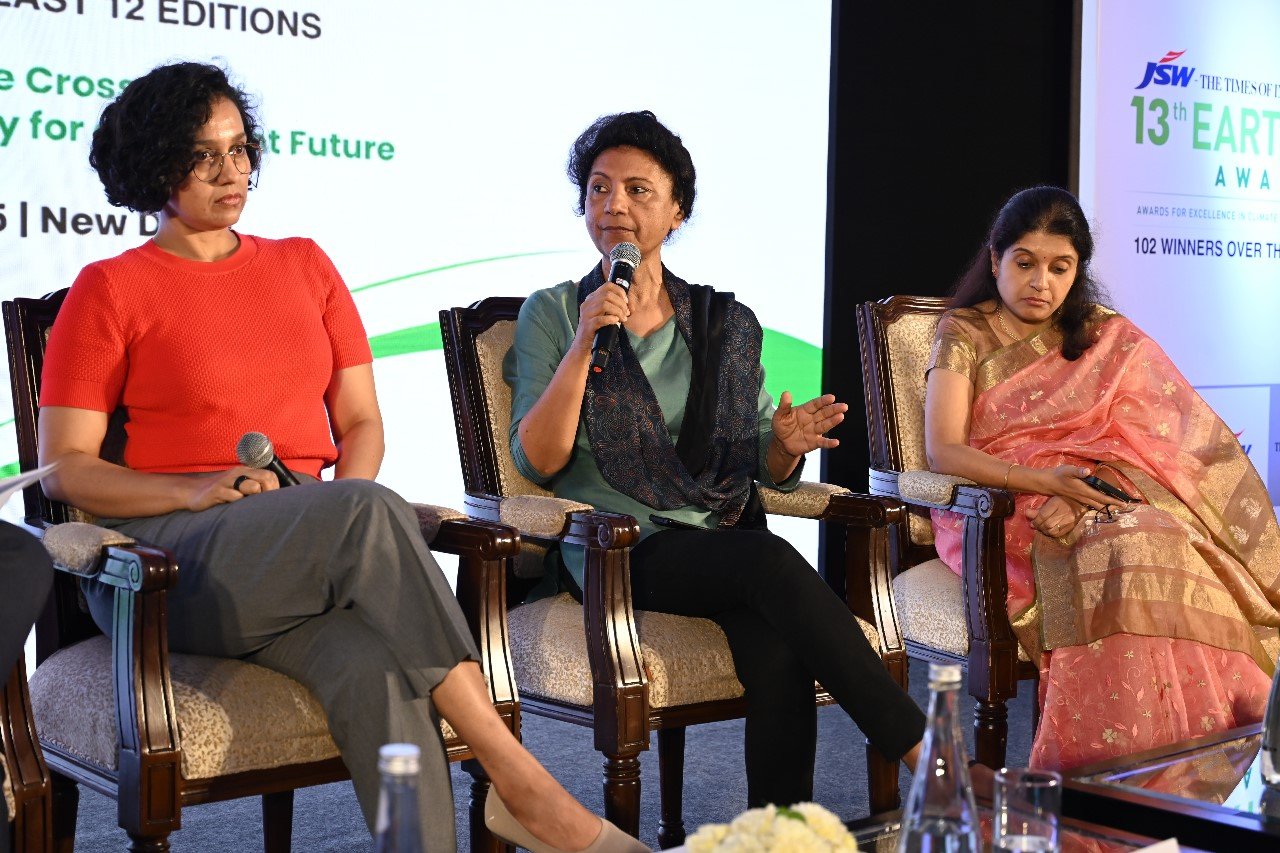
Jaipur 2026 – Panel Discussion

About Discussion

Climate change is no longer merely an environmental concern; it is a systemic challenge shaping every aspect of human and planetary well-being. Rising temperatures, erratic rainfall, ecosystem collapse, and intensifying disasters reverberate across health, livelihoods, food and water security, migration, and social equity. Equally, the everyday choices societies make—in food systems, energy policies, urban design, and consumption—loop back to define our climate trajectory.

At this critical juncture, the Earth Care Awards provide a timely platform to recognise innovations, amplify voices, and explore integrated solutions. This panel aims to move beyond treating climate as a “silo issue” and instead acknowledge it as a multi-dimensional societal challenge—one that demands convergence across governance, policy, community action, and innovation.

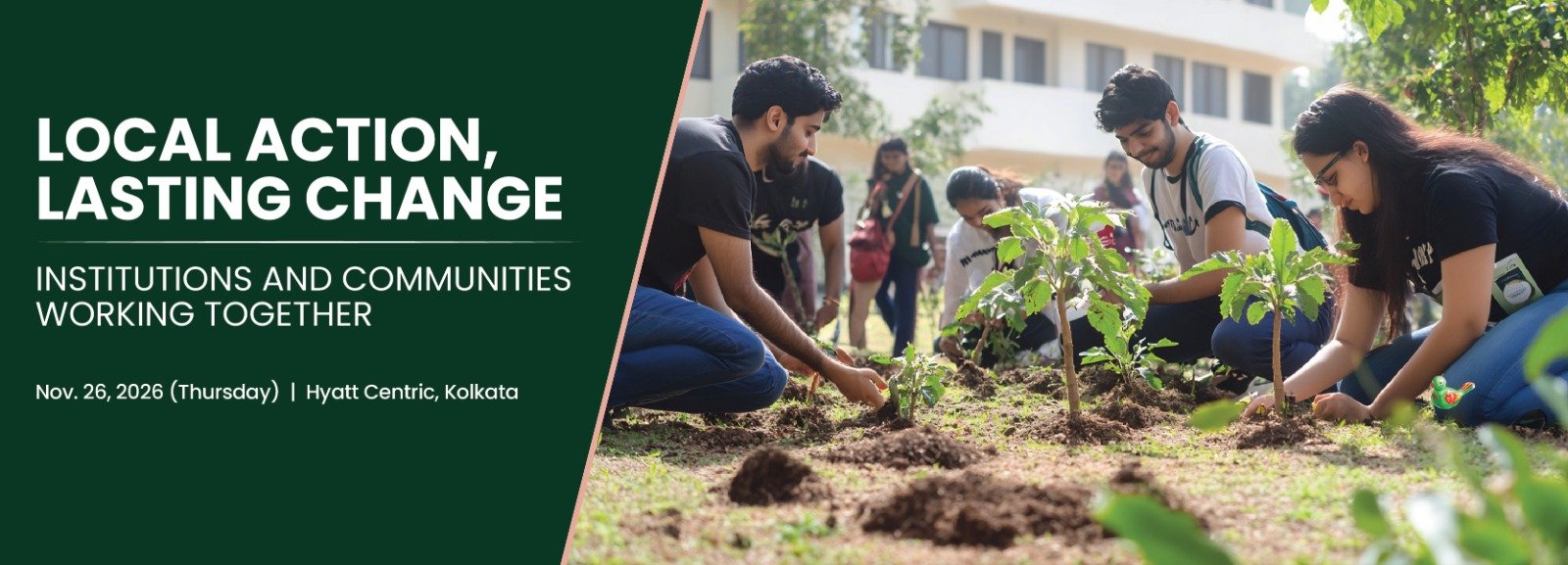
Local Action, Lasting Change: Institutions and Communities Working Together

Date: 26th November, Hyatt Centric, Kolkata

Kolkata and its rural hinterland face growing climate risks, including rising temperatures, erratic rainfall, cyclones and flooding. Situated on low-lying terrain along the Hooghly River in the lower Ganges delta, the city is particularly exposed to heat and waterlogging. Of the 125 wards covered in a ward-level assessment, 68 are moderately to highly vulnerable to heat, while intense rainfall in September 2025 inundated large parts of the city. Further south, recurrent cyclones have damaged embankments, increased soil salinity, inundated agricultural land and disrupted livelihoods in the Sundarbans, contributing to migration among vulnerable households.

The region’s water systems and natural ecosystems play a critical role in climate resilience. The East Kolkata Wetlands, a Ramsar-designated site spanning approximately 12,500 hectares, constitute one of the world’s largest wastewater-fed aquaculture systems. They naturally treat a substantial share of the city’s sewage through an interconnected network of canals and ponds, produce about 10,000 tonnes of fish annually and employ close to 30,000 people in their fisheries. Further south, the Sundarbans contain mangrove forests accounting for almost 42% of India’s mangrove cover. These mangroves act as a natural buffer against cyclonic winds and storm surges from the Bay of Bengal, protecting coastal settlements, villages and embankments.

Institutions and communities are already working to strengthen preparedness. In 2018, the Kolkata Municipal Corporation introduced India’s first comprehensive city-level flood forecasting and early warning system, which uses sensors across canals, pumping stations and schools to send timely alerts to citizens and community groups. The East Kolkata Wetlands operate under a dedicated legal and institutional framework and their fisheries are run by fishers, many of them organised in cooperatives. In the Sundarbans, the Forest Department works with village-level joint forest management committees and in parts of the region women’s self-help groups raise 15,000 to 20,000 mangrove saplings per season for the Forest Department and panchayats. At the national level, the Mangrove Initiative for Shoreline Habitats and Tangible Incomes (MISHTI) seeks to link mangrove restoration with local livelihoods.

Despite these initiatives, institutional and community-led efforts remain unevenly integrated. Women running mangrove nurseries face low and uncertain incomes, while many planted saplings are lost to tidal action and coastal erosion, showing the risk of focusing on planting numbers instead of long-term survival. In the East Kolkata Wetlands, declining sewage inflows, siltation and encroachment from real estate development threaten fish production, fishers’ livelihoods and the wetlands’ sewage treatment services. Within the city, rising temperatures fall hardest on slum settlements, highlighting the need for inclusive heat action planning. In the Sundarbans, evacuations have helped save lives during cyclones, though restoring homes, agricultural land and livelihoods after disasters remains a significant challenge.

These gaps underline the need for stronger partnerships. Government agencies bring planning, finance, technical expertise and regulatory capacity and communities contribute local knowledge, labour and the stewardship needed to sustain ecosystems, while industry and civil society can add resources, technical support and access to markets. This panel will discuss how institutional leadership and community participation can work together to improve water management, restore ecosystems, strengthen disaster resilience and protect livelihoods across urban Kolkata and the rural Sundarbans. It will examine where this partnership already works, where it falls short and what government, industry, civil society and communities can do to make it last.
 

Key discussion points

      Climate and health/nutrition
  • Heat stress, new disease burdens, vector-borne illnesses. 
  • Threats to food diversity and nutrition security. 
  • Opportunities in climate-smart agriculture, resilient local food systems, and shifts toward sustainable diets.
 
       Climate and livelihoods/economy
  • Vulnerability of frontline workers in agriculture, fisheries, and informal sectors.
  • Circular economy, green jobs, and re-skilling as pathways for resilient livelihoods.
   
     Cross-cutting discussion
  • Systems-thinking for climate action: moving beyond silos.
  • Policy integration: how can health, food, energy, and urban policies embed climate resilience.
         Climate and biodiversity/ecosystems
  • Loss of biodiversity and eco-services as amplifiers of climate risks.
  • Nature-based solutions for adaptation and mitigation.
     
       Climate and migration/urbanization
  • Internal displacement and climate-induced migration as social and political challenges.
  • Designing climate-resilient cities: infrastructure, waste, energy, and green mobility.
       
       Climate and gender/social equity
  •  Disproportionate impacts on women, youth, and marginalized communities.
  • The central role of inclusive, community-led solutions in adaptation and resilience.


Institutions and communities as partners:

Moving from consultation to shared planning and decision-making between government agencies, municipal wards, panchayats and community groups.

 Combining data with local knowledge:

Bringing together forecasts, monitoring systems and scientific data with community experience to guide planning and early action.

Ecosystems in water management:

Managing canals, drains, embankments and sewage alongside the wetlands and mangroves that store floodwater, treat wastewater and buffer storm surges.

Restoration that lasts:

Shifting from planting targets to long-term survival through sound site and species choices, community monitoring and sustained care.

Nature-based livelihoods:

Building stable incomes from fisheries, mangrove nurseries, aquaculture and climate-adapted farming that reduce distress migration.

Protecting the most vulnerable:

Placing women, slum residents, fishers and migrant households at the centre of heat, flood and cyclone planning and of recovery after disasters.

Convergence and finance:

Aligning disaster, urban, forest and rural employment programmes with CSR and climate finance to sustain community-led action at scale.

Agenda

TIME

SESSION

SPEAKER

10:45 am – 10:50 am

Presentation on: Earth Care Awards

Rupa Dawane

Head Sanitation & Water, JSW

10:50 am – 10:55 am

Earth Care Awards: Categories & Process

Adnan Ahmad

Senior Consultant, Development Sector

Advisory, TTC

10:55 am – 11:10 am

Keynote Address

Ajitabh Sharma, IAS

Energy & Sustainability, Public Policy and

Leadership

11:10 am – 11:25 am

Special Address

Kapil Chandrawal

Member Secretary, Rajasthan State

Pollution Control Board (RSPCB)


11:25 am – 12:10 pm


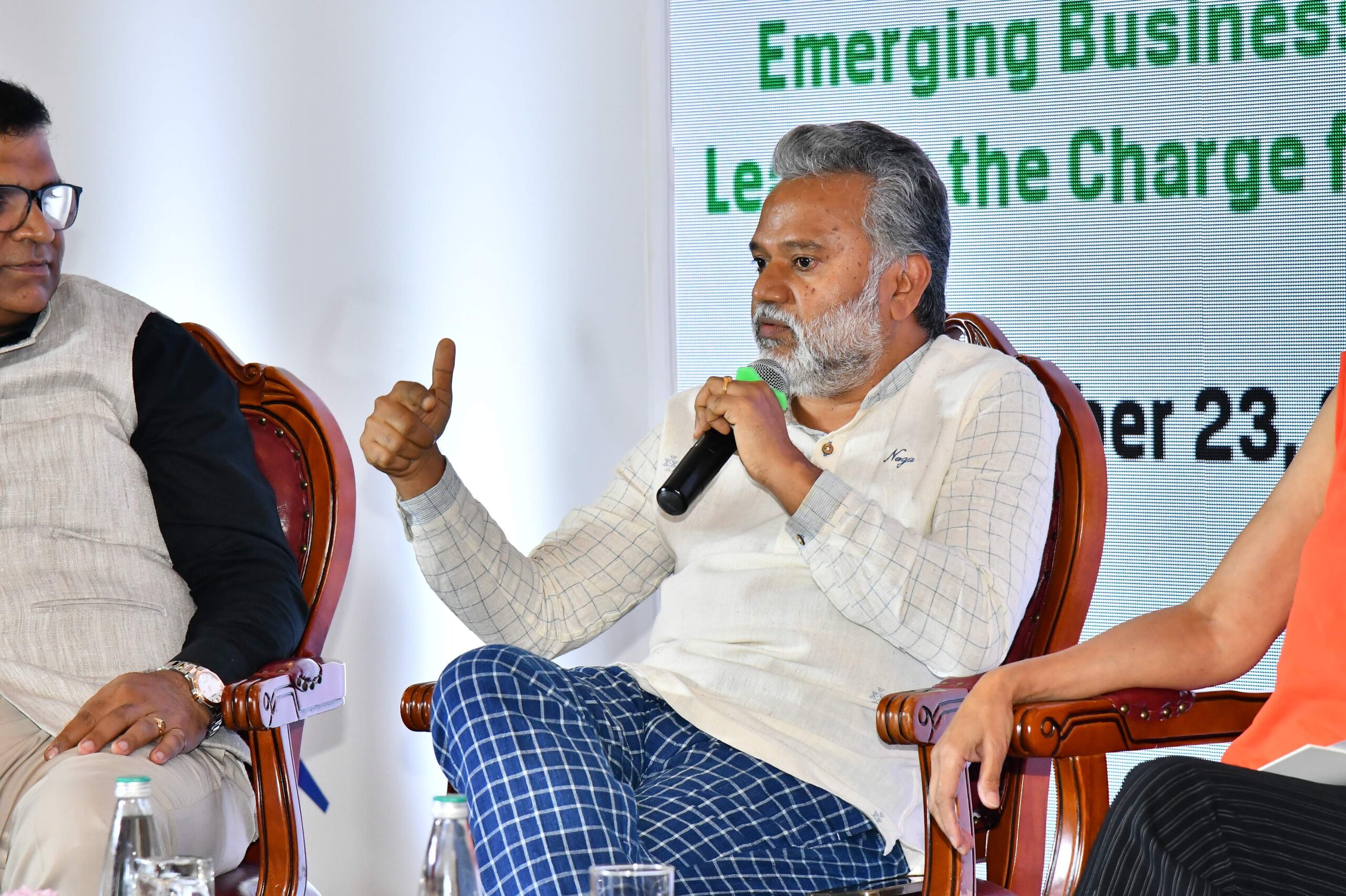
Panel Discussion

Policy for people: Enabling an inclusive, community-led climate transition

Panellists:

Ajitabh Sharma, IAS

Energy & Sustainability, Public Policy and

Leadership


Pradeep S Mehta

Founder, Secretary General of the Jaipur-based

Consumer Unity & Trust Society (CUTS International)


Simran Grover

Founder & CEO, Centre for Energy,

Environment, and People (CEEP)


Moderator:

Swati Mathur, Assistant Resident Editor, The Times of India

12:10 pm – 12:25 pm

A Talk on:

The Laporiya model of community-led conservation water

Padma Shri Laxman Singh

Founder and Secretary, Gram Vikas

Navyuvak Mandal Laporiya


12:25 pm- 12:55 pm


Panel discussion:

Bringing together traditional knowledge, science and community action

Panellists:

Shantanu Sinha Roy

General Manager and State Head,

Rajasthan, Foundation for Ecological Security


Dr Sudipti Arora

Director, Research and Innovation, Dr B. Lal Institute of

Biotechnology and Founder-Director, Prakrit Sustainable Integrated Foundation

Aajay Yadav

President, Renewable Energy Association of Rajasthan

Moderator:

Rumit Walia, Youth Affairs (South and Southeast Asia),

EARTHDAY.ORG

12:55 pm

Vote of Thanks & Break for Lunch


Our Speakers

Dr. Arunabha Ghosh

CEO, Council on Energy, Environment and Water (CEEW)

Anumita Roychowdhury

Executive Director, Research and Advocacy at the Centre for Science and Environment in India

Dr. Bhuvaneswari Balasubramanian

Country Director, Global Alliance for Improved Nutrition (GAIN)- India

Dr. Preeti Negandhi

Professor & Chair, Center for Climate Change and Health, (PHFI)

Dr. Debolina Kundu

Director, National Institute of Urban Affairs (NIUA)

Dr. Sugandha Munshi

Lead Specialist, Senior Associate Scientist Gender Empowerment, International Rice Research Institute (IRRI)

Rupa Dawane-small

Rupa Dawane

Head Sanitation & Water, JSW

Ajay Pandey

Ajay Pandey

Co-Founder-Partner Thinkthrough Consulting Pvt. Ltd.
abhir

Abhiir Bhalla

Youth Environmentalist and Sustainability Consultant

Ashutosh Sinha

Senior Editor, The Economic Times

Our Speakers

Rupa Dawane

Rupa Dawane

Head Sanitation & Water, JSW

Dr. Sudipti Arora

Director, Research and Innovation, Dr B. Lal Institute of Biotechnology and Founder-Director, Prakrit Sustainable Integrated Foundation

Shantanu Sinha Roy

General Manager and State Head, Rajasthan, Foundation for Ecological Security

Aajay Yadav

President, Renewable Energy Association of Rajasthan

Laxman Singh Laporiya

Padma Shri Laxman Singh

Founder and Secretary, Gram Vikas Navyuvak Mandal Laporiya

Adnan Ahmad

Adnan Ahmad

Senior Consultant, Development Sector Advisory, Think Through Consulting

Pradeep S Mehta

Founder, Secretary General of the Jaipur-based Consumer Unity & Trust Society (CUTS International)

Kapil Chandrawal

Kapil Chandrawal

Member Secretary, Rajasthan State Pollution Control Board (RSPCB)

Simran Grover

Simran Grover

Founder and CEO of the Centre for Energy, Environment, and People (CEEP), an initiative for energy equity and climate justice.

Er. Rumit Walia

Youth Affairs (South and Southeast Asia), EARTHDAY.ORG

Sukrit Sen

hailing from Kolkata, India, is an Architect and Heritage Manager by profession and a musician by passion.

Our Speakers

Sukrit Sen

Heritage and Disaster Management Professional

Vinay Jaju

Founding Director Earthon Foundation USA / Co-Founder & Advisor SwitchON Foundation (Environment Conservation Society) / Co-Founder & Director ON Skills

Ajanta Dey

Joint Secretary and Programme Director of Nature Environment & Wildlife

Who Should Attend?

  • Policy makers and government officials
  • Municipal, disaster management, forest and wetland officials
  • Panchayat representatives and community leaders
  • Women’s self-help groups, fishers’ cooperatives and resident associations
  • NGOs, community-based organisations and social enterprises
  • CSR and ESG leaders, financial institutions and investors
  • Academia, researchers and policy professionals

Event Details:

Date:         Friday, November 26, 2026

Time:         10:00 AM – 01:30 PM 

Venue:     Hyatt Centric Ballygunge

                     17 Garcha 1st Lane, 

                     Kolkata – 700019


Who Should Attend:

  • Policymakers and government officials
  • Panchayat representatives and community leaders
  • NGOs and development organisations
  • CSR and ESG leaders
  • Academics and researchers
  • Sustainability experts and practitioners

Event Details:

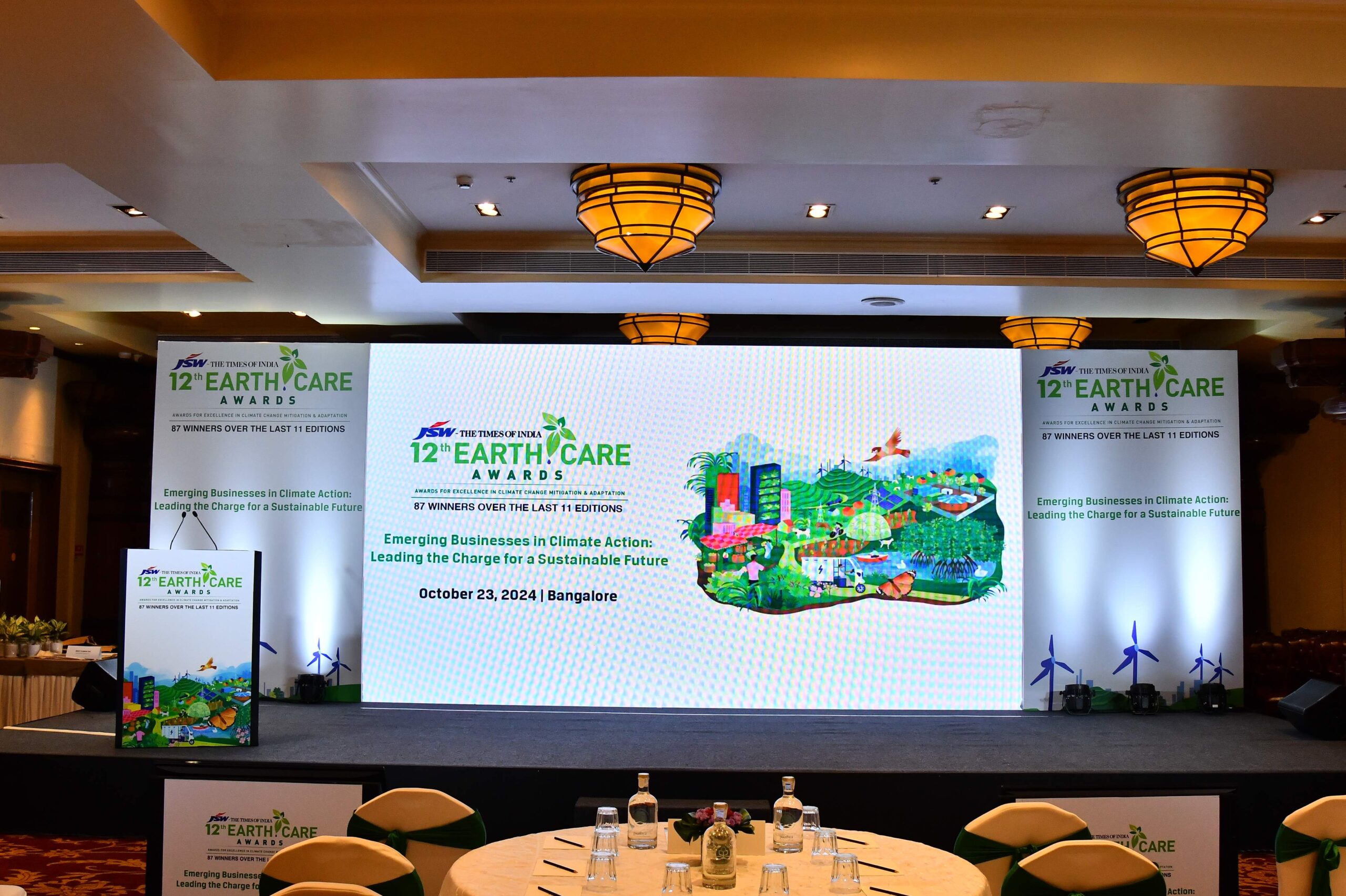
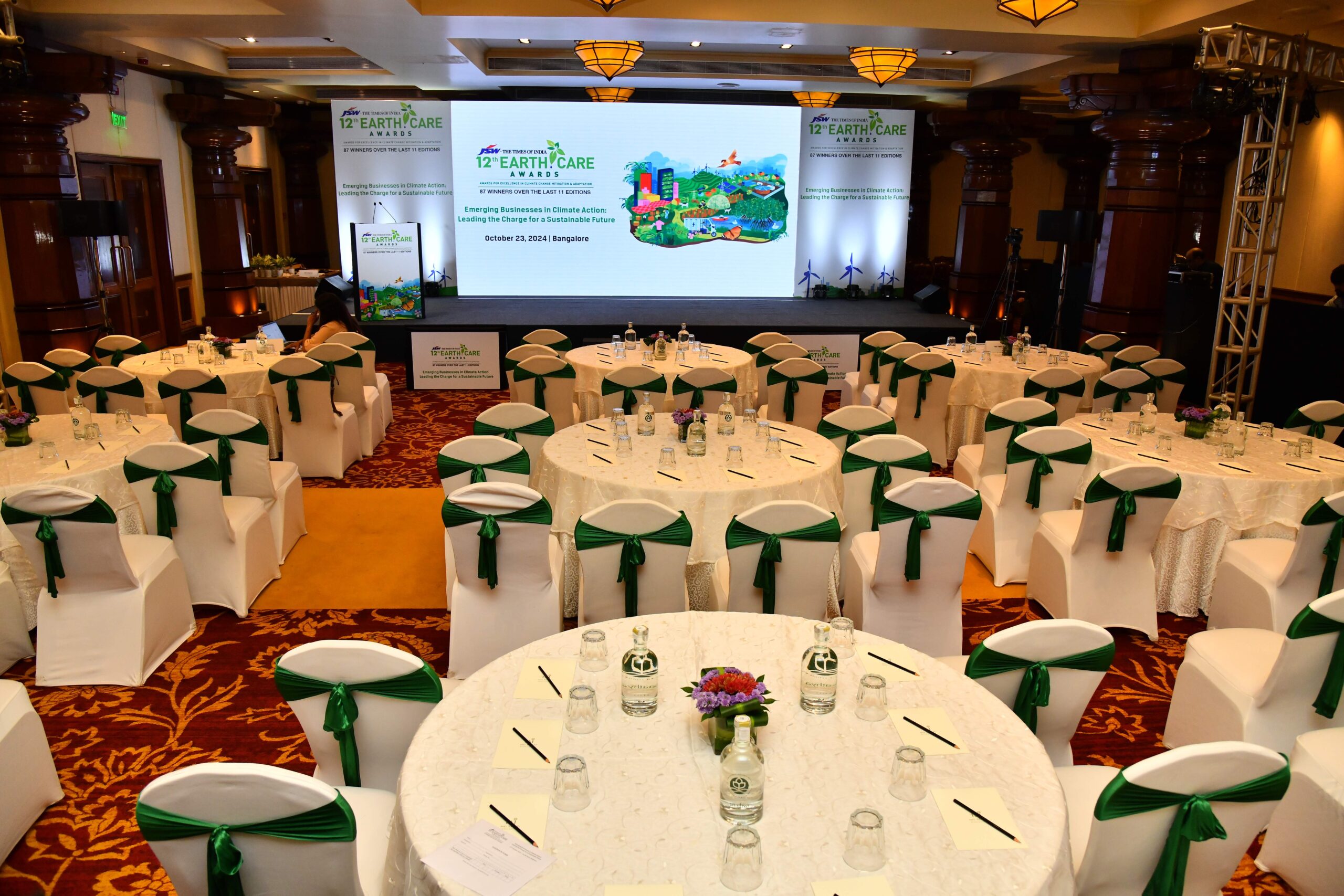
Date:         23rd October 2024

Time:         10:00 AM to 01:30 PM followed by Lunch

Venue:     Taj MG Road,

                    41/3 Mahatma Gandhi Road

                     Bengaluru 560001, Karnataka, India

Hall:            Vijayanagar

Registration

Please enable JavaScript in your browser to complete this form.
RSVP: Savitri Sood | earthcareawardspd@c2cm.com | Mobile – 9717211060

Gallery